







What's Happening?
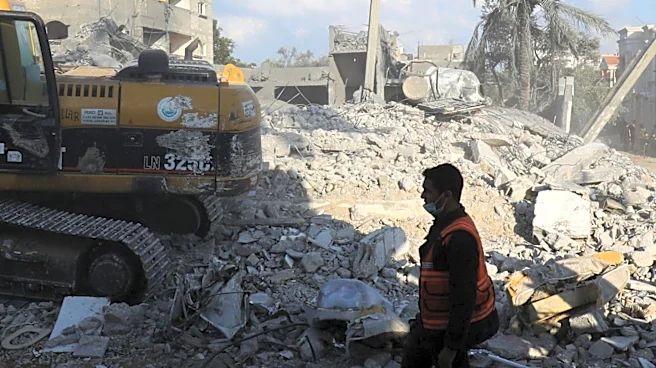
A delegation of UN ambassadors, led by Israel's Ambassador to the United Nations Danny Danon, visited the Gaza Strip on Sunday. This marks the first time UN ambassadors have entered the territory, according to the Israeli mission. The visit included a tour
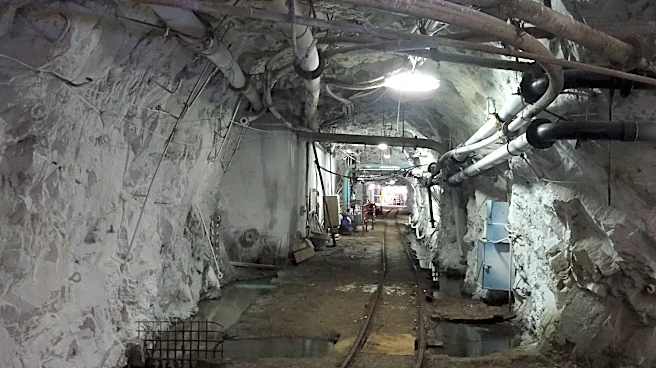
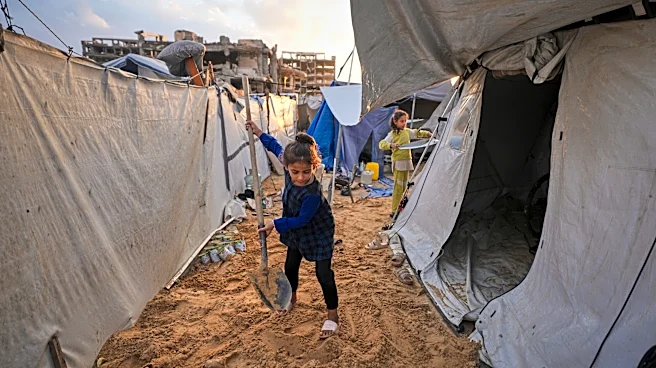
of Kibbutz Kfar Aza, a community affected by the October 7, 2023, Hamas attack, and a Hamas tunnel inside Gaza. IDF Southern Command chief Maj.-Gen. Yaniv Asor provided a security briefing to the delegation, focusing on Hamas's military infrastructure and the threats Israel faces. Ambassador Danon stated that the visit aimed to expose the ambassadors to the reality of Hamas's capabilities and to counter what he described as a misinformation campaign regarding humanitarian conditions in Gaza. He explicitly challenged claims that Israel is responsible for the humanitarian crisis, asserting that reconstruction would not occur as long as Hamas controls the Gaza Strip and continues to rebuild its military capabilities.
Why It's Important?
This diplomatic visit is significant as it directly addresses international perceptions of the conflict in Gaza and the role of Hamas. By bringing UN ambassadors to witness Hamas's military infrastructure firsthand, Israel aims to influence international opinion and policy regarding the future of Gaza. The Israeli mission's emphasis on preventing Hamas from rearming or regaining control underscores a key condition for any future arrangements in the territory. This move could impact diplomatic efforts to address the humanitarian situation and reconstruction, as it frames the challenges through a security lens. The visit also serves to counter narratives that solely attribute the humanitarian crisis to Israeli actions, shifting focus to Hamas's governance and military activities. The involvement of UN ambassadors suggests an attempt to garner broader international understanding and potential support for Israel's security concerns in the region.
What's Next?
The visit by UN ambassadors is likely to fuel ongoing international discussions about Gaza's future governance, reconstruction, and security arrangements. Israel's clear stance that reconstruction will not proceed under Hamas control sets a significant condition for any future aid or development initiatives. This could lead to increased pressure on international bodies and nations to address Hamas's role in the territory. The Israeli mission's efforts to challenge 'misinformation' about the humanitarian crisis suggest a continued diplomatic push to shape the narrative. Future diplomatic engagements and aid efforts will likely be influenced by the perspectives gained by these ambassadors, potentially leading to shifts in international policy or increased scrutiny of Hamas's activities. The focus on preventing Hamas from rebuilding its military capabilities indicates that security concerns will remain paramount in any proposed solutions for Gaza.
Beyond the Headlines
The visit highlights the complex interplay between humanitarian concerns, security imperatives, and political narratives in the Israeli-Palestinian conflict. By showcasing Hamas's tunnels and military infrastructure, Israel is attempting to reframe the international discourse, moving beyond purely humanitarian appeals to include the security threats posed by Hamas. This approach raises questions about the balance between addressing immediate humanitarian needs and ensuring long-term security. The Israeli delegation's assertion that Hamas is responsible for the humanitarian crisis, rather than Israel, points to a deeper struggle over accountability and blame. This narrative contestation has profound implications for international aid, reconstruction efforts, and the potential for a lasting resolution, as it underscores differing interpretations of the conflict's root causes and potential solutions.