








What's Happening?
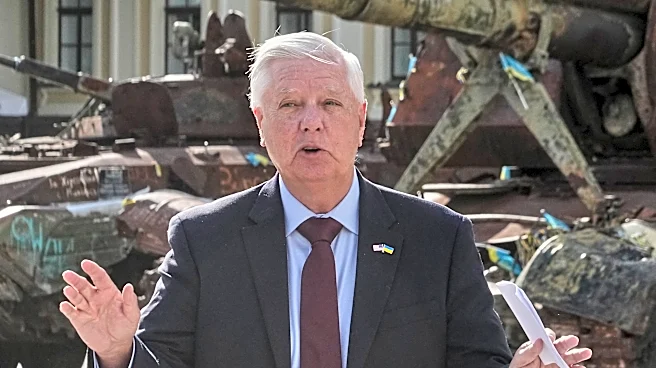
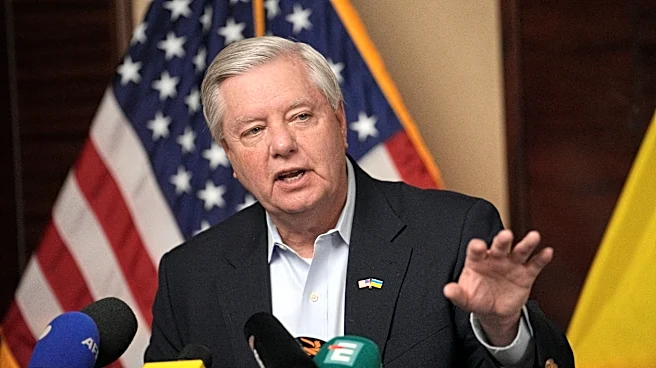
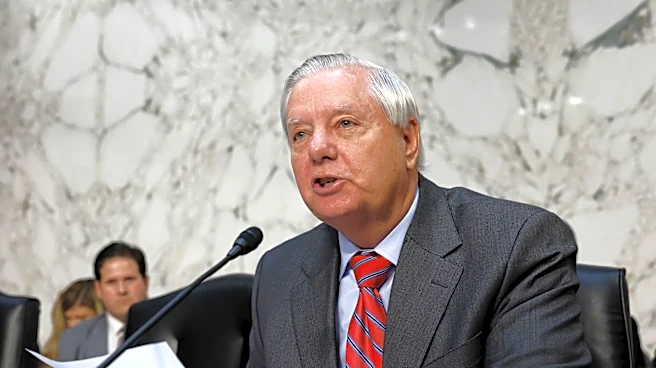
Republican Senator Lindsey Graham of South Carolina has passed away at the age of 71. Emergency services responded to a cardiac arrest call at his home, and he was subsequently pronounced dead. Graham, a prominent political figure known for his staunch
support of Israel and his military service, was a significant presence in U.S. politics. His death has prompted condolences from leaders such as Israeli Prime Minister Benjamin Netanyahu and U.S. President Donald Trump, who praised his contributions to U.S.-Israel relations and his dedication to public service.
Why It's Important?
Senator Graham's passing marks the loss of a key figure in U.S. politics, particularly in foreign policy and defense. His advocacy for strong U.S.-Israel ties and his influence in military and international affairs have left a lasting impact. His death may lead to shifts in political dynamics, especially within the Republican Party, where he was a senior member. The response from international leaders underscores his global influence and the potential implications for U.S. foreign policy moving forward.
What's Next?
In the wake of Graham's death, there will likely be discussions about his successor and the future of his political initiatives. The Republican Party may face challenges in filling his role, both in terms of leadership and policy direction. Additionally, international relations, particularly with Israel, may experience changes as new figures step into roles previously held by Graham. His funeral is expected to draw significant attention, with potential attendance by high-profile leaders, reflecting his impact on both national and international stages.