
What's Happening?
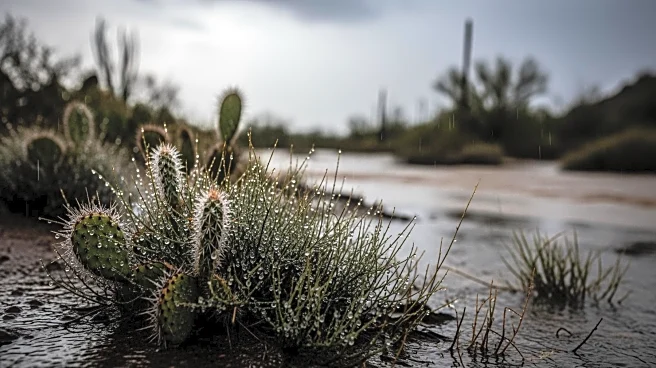
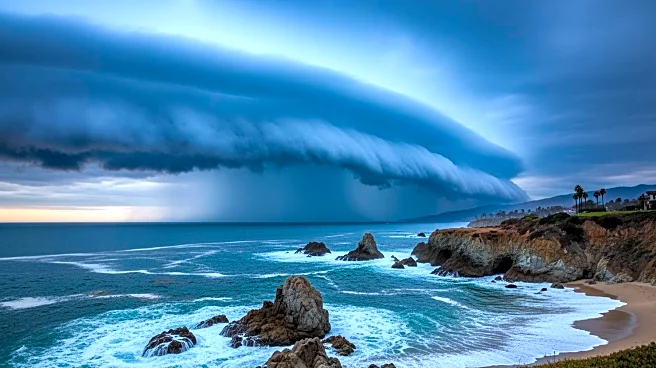
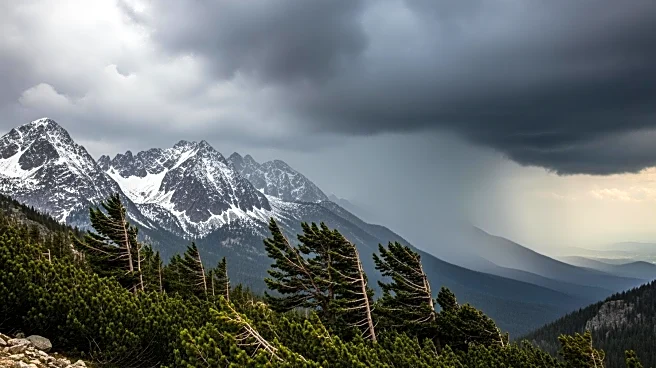
California is currently experiencing a series of severe storms that have placed at least 11 million residents under flood watch. The storms are bringing significant rain and snow across the state, with forecasts predicting up to 4 inches of rain in coastal
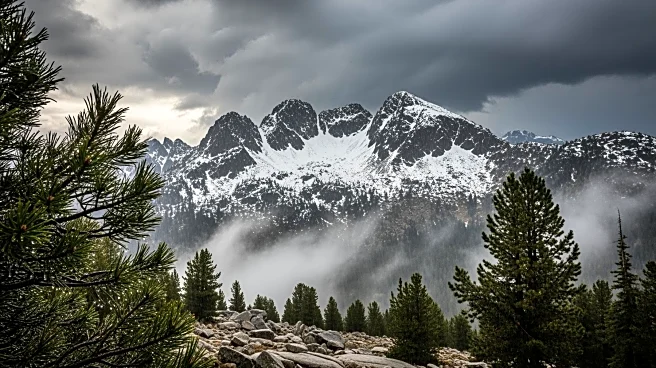
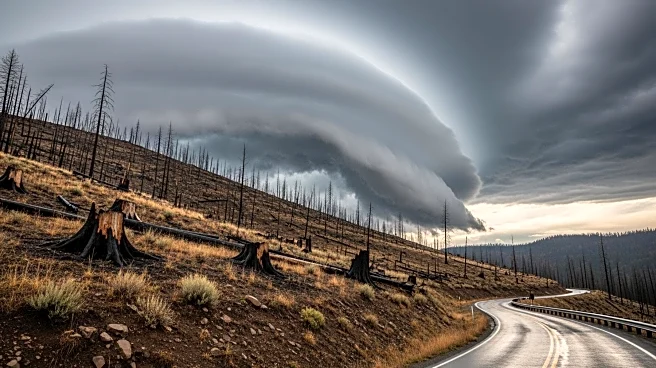
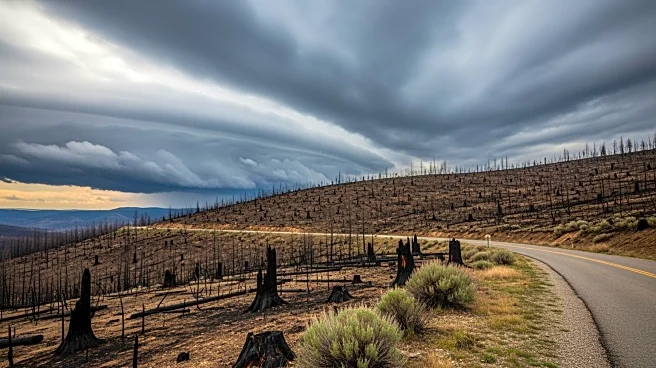
and valley areas, and as much as 7 inches in the foothills and mountains. The Sierra Nevada is expected to receive between 5 to 8 feet of snow from Tuesday through Wednesday. This weather event poses a particular threat to areas with burn scars, where previous wildfires have left the soil unable to absorb rainwater, increasing the risk of flash flooding, mudslides, and debris flow. Evacuation orders have been issued for the Palisades, Sunset, and Hurst burn scar areas, remaining in effect until Tuesday evening. Los Angeles Mayor Karen Bass has urged residents to heed safety warnings as city personnel prepare to respond to potential impacts.
Why It's Important?
The severe weather conditions in California highlight the ongoing challenges posed by climate change, particularly in regions prone to wildfires and drought. The heavy snowfall in the Sierra Nevada, while potentially hazardous, is crucial for replenishing the snowpack, which has been alarmingly low this winter. This snowpack is vital for water supplies in the West, and its deficiency can exacerbate drought conditions and increase wildfire risks as temperatures rise. The storms also underscore the vulnerability of burn scar areas to extreme weather, necessitating improved emergency preparedness and infrastructure resilience. The situation serves as a reminder of the interconnectedness of climate phenomena and the need for comprehensive strategies to mitigate their impacts.
What's Next?
As the storm system progresses, it is expected to move eastward, bringing beneficial snow to the Rockies. In California, authorities and residents will continue to monitor the situation closely, with emergency services on standby to address any arising issues. The focus will likely remain on ensuring public safety and minimizing damage, particularly in high-risk areas. In the longer term, this event may prompt further discussions on climate adaptation measures and infrastructure improvements to better handle such extreme weather events in the future.