





What's Happening?
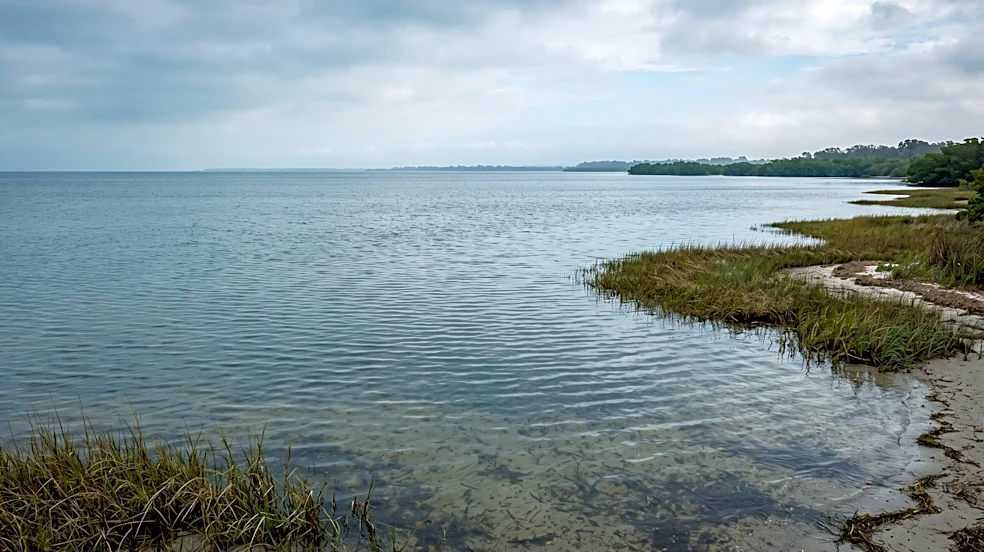
Researchers at the University of Florida are actively developing new methods to identify and forecast areas along the Tampa Bay-area coast where Vibrio vulnificus, commonly known as flesh-eating bacteria, is present. This initiative comes as cases of Vibrio continue
to rise, with 25 reported cases in Florida as of August 2023. Currently, there is no readily available way for the general public to determine the presence of this dangerous bacteria in water. Vibrio vulnificus can be contracted by consuming raw shellfish or by entering water with an open wound. The research aims to provide a proactive approach to public health by pinpointing high-risk locations, thereby enabling better preventative measures and public awareness.
Why It's Important?
The development of tools to identify Vibrio vulnificus hotspots is crucial for public health and safety in coastal regions like Tampa Bay. The bacteria can cause severe infections, particularly in individuals with compromised immune systems, and can lead to serious health complications, including limb loss or death. By forecasting the presence of Vibrio, health authorities can issue targeted warnings, advise on safe water practices, and potentially reduce the incidence of infections. This research has significant implications for the tourism and seafood industries, as public perception of water safety directly impacts these sectors. Proactive identification can help mitigate economic losses by allowing for informed decision-making regarding recreational water activities and shellfish harvesting, protecting both residents and visitors.
What's Next?
The ongoing research by the University of Florida is expected to lead to the implementation of new monitoring and forecasting systems for Vibrio vulnificus. These tools will likely be utilized by local and state health departments to provide real-time or near real-time information to the public. Future steps will involve refining these identification methods, potentially integrating them into public health advisories, and educating the community on how to interpret and act upon this information. Continued collaboration between researchers, public health officials, and coastal communities will be essential to effectively deploy these tools and enhance public safety. The goal is to move from reactive responses to proactive prevention of Vibrio infections.
Beyond the Headlines
The effort to identify Vibrio vulnificus hotspots highlights a broader challenge in environmental health: the increasing prevalence of waterborne pathogens due to factors such as rising water temperatures and environmental changes. This research underscores the need for continuous scientific innovation to address emerging public health threats. Beyond immediate health concerns, the ability to predict bacterial presence could influence urban planning in coastal areas, guide infrastructure investments in water quality management, and foster a more informed public discourse on environmental stewardship. It also raises ethical considerations regarding public access to real-time environmental health data and the balance between public safety and economic impacts on local industries.