




What's Happening?
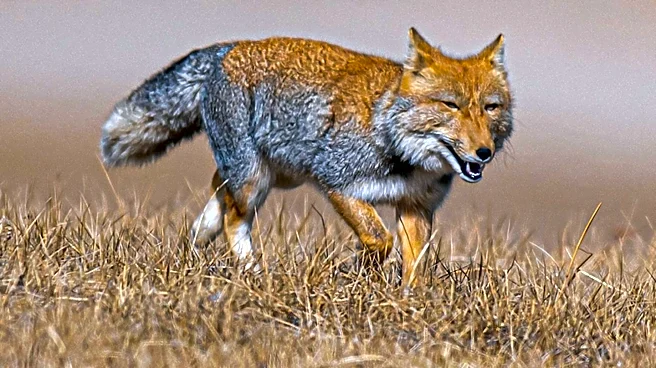
The San Miguel Island fox population, once critically low at 15 individuals, has rebounded to approximately 322 by 2024. This recovery is attributed to comprehensive conservation strategies implemented on San Miguel Island, located off the coast of Southern
California. These efforts included the removal of golden eagles, which preyed on the foxes, and the eradication of feral pigs that provided a food source for the eagles. Additionally, captive-breeding programs were initiated, and captive-bred foxes were reintroduced into the wild. Vaccination programs were also crucial in protecting the foxes from diseases like canine distemper. The decline in the fox population was linked to the disappearance of native bald eagles due to DDT contamination, which allowed golden eagles to establish themselves and prey on the smaller island foxes. While the 2024 population of 322 is lower than the previous year's peak of 525, researchers indicate that pup numbers are typical, and individual foxes appear healthy, suggesting the population is stabilizing within the island's carrying capacity of 300 to 450 foxes.
Why It's Important?
The successful recovery of the San Miguel Island fox represents one of the most significant mammal conservation achievements in the United States. This case highlights the critical importance of a multi-faceted approach to species conservation, demonstrating that addressing a single threat is often insufficient. The interconnectedness of ecosystems is underscored, as the recovery required not only direct intervention for the foxes but also the restoration of the broader ecological balance, including predator management and habitat restoration. This success provides a valuable model for future conservation projects, particularly for endangered species in isolated or fragile environments. The delisting of several island fox subspecies from the federal endangered species list in 2016, including those on San Miguel, Santa Rosa, and Santa Cruz islands, signifies a major milestone, showcasing the effectiveness of sustained and integrated conservation efforts in preventing extinction and restoring biodiversity.
What's Next?
Continued monitoring of the San Miguel Island fox population is essential to ensure its long-term stability, especially given the inherent vulnerabilities of species confined to single islands, such as susceptibility to disease, food shortages, and environmental changes. While the immediate crisis has passed, ongoing conservation work is necessary to maintain the ecological conditions that enabled the recovery. Researchers will continue to investigate population fluctuations and potential threats, as evidenced by the recent decline in the San Clemente Island fox population, which faces different challenges like disease, food availability, wildfires, and vehicle strikes. This ongoing vigilance will inform adaptive management strategies to safeguard the island fox populations across the Channel Islands and prevent a return to endangered status. The lessons learned from San Miguel Island will likely influence conservation practices for other vulnerable species in similar ecosystems.
Beyond the Headlines
The San Miguel Island fox recovery story offers profound insights into the complexities of ecological restoration and the concept of a 'keystone species.' The initial decline of bald eagles, due to human-induced DDT contamination, triggered a cascade of ecological imbalances, allowing golden eagles to thrive and subsequently decimate the fox population. This illustrates how human actions, even indirect ones, can have far-reaching and unforeseen consequences on ecosystems. The conservation effort's success was not merely about increasing fox numbers but about re-establishing a functional ecosystem, including the reintroduction of bald eagles to restore a native predator-prey dynamic. This holistic approach emphasizes that true conservation extends beyond species-specific interventions to encompass the health and integrity of entire habitats. The ongoing need for monitoring, even after delisting, highlights the continuous stewardship required to maintain ecological balance in a world increasingly impacted by human activity and climate change.