







What's Happening?
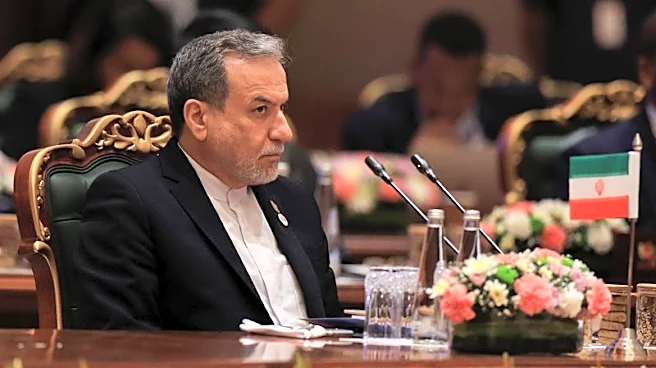
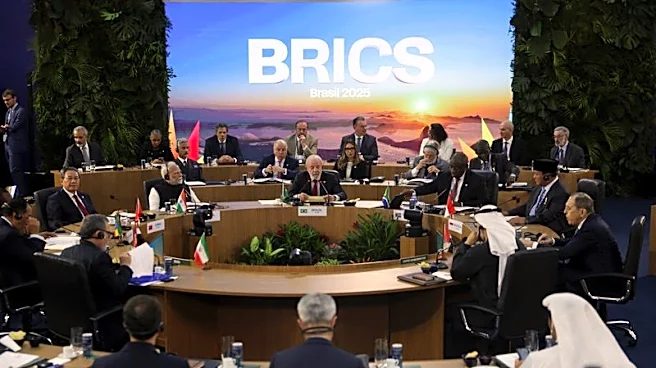
The recent ASEAN summit, held in the Philippines, concluded without significant agreements on addressing the ongoing energy crisis affecting Southeast Asia. Leaders from 11 member nations, including Indonesia, Malaysia, and Vietnam, were unable to reach
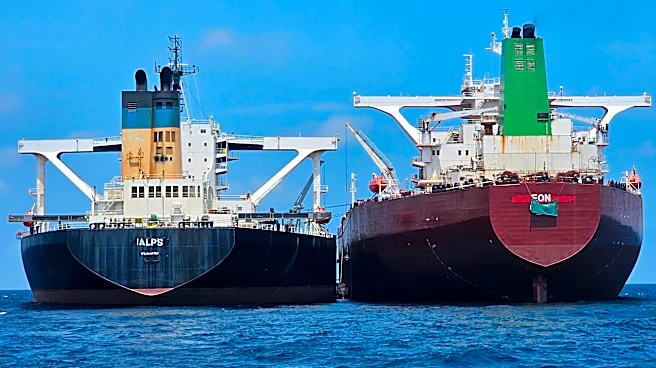
a consensus on a coordinated energy strategy. The summit aimed to tackle issues such as the impact of the Iran war on energy supplies and rising prices, but no binding commitments were made. The lack of action is attributed to ASEAN's consensus-based decision-making process, which allows any member to veto proposals, and China's growing influence over certain member states.
Why It's Important?
The failure to address the energy crisis at the ASEAN summit underscores the challenges faced by multilateral organizations in reaching consensus on critical issues. The inability to agree on a regional energy strategy could exacerbate the economic and social impacts of the energy crisis in Southeast Asia, affecting millions of people. Additionally, China's influence over ASEAN members like Myanmar and Cambodia highlights geopolitical tensions that complicate regional cooperation. This situation may lead to increased reliance on external powers for energy solutions, potentially affecting regional stability and economic growth.
What's Next?
ASEAN members may continue bilateral discussions to address their energy needs, but the lack of a unified strategy could hinder effective solutions. The region may seek external partnerships or investments to mitigate the energy crisis. Meanwhile, China's role in the region is likely to grow, potentially influencing future ASEAN decisions. Observers will watch for any shifts in member states' positions or new initiatives that could break the current impasse.