



What's Happening?
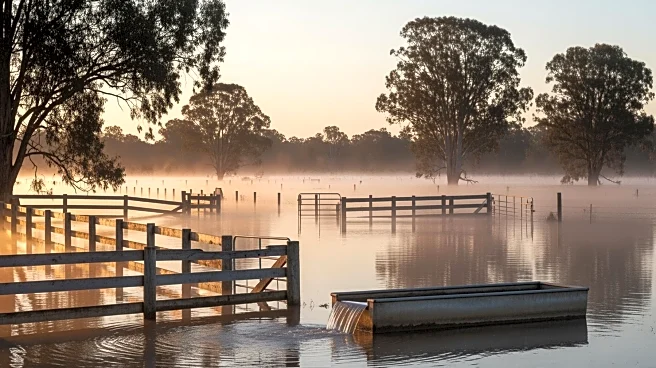
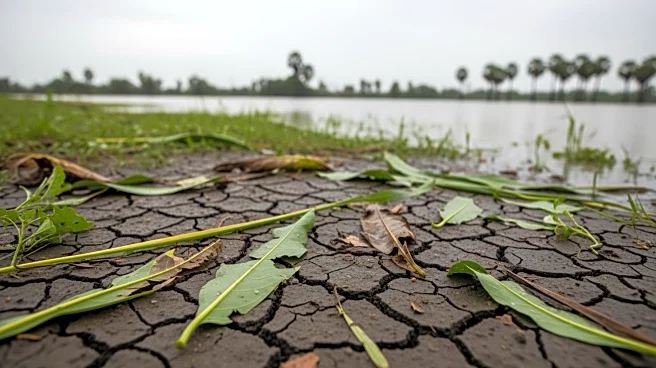
Hawaii's small farmers are beginning to recover from catastrophic flooding caused by recent kona low storms. The storms brought up to 50 inches of rain, leading to some of the worst flooding in the state since 2004. The damage is extensive, with officials
estimating costs at $1 billion. More than 300 farms have reported approximately $17.5 million in damages, particularly on Oahu. The state has launched a $500,000 emergency relief fund for farmers, offering grants of up to $1,500. The Hawaii Farm Bureau and the Hawaii Agricultural Foundation have also organized relief efforts. Despite the challenges, farmers are determined to continue their work and increase food security on the islands, which import up to 90% of their food supply.
Why It's Important?
The flooding has highlighted the vulnerability of Hawaii's agricultural sector, which has been in decline for decades. The state's reliance on imported food makes local farming crucial for food security. The recent storms have exacerbated existing challenges, including razor-thin margins and lack of crop insurance. Without adequate support, the long-term impact could be a reduction in farms and food production in Hawaii. The state's emergency relief fund and community support are vital for recovery, but more resources are needed to ensure the sustainability of local agriculture. The situation underscores the need for strategic planning and investment in the agricultural industry to mitigate future risks.
What's Next?
Farmers are in the early stages of recovery and cleanup, with significant debris and damaged infrastructure to address. The state and agricultural organizations are working to provide financial assistance and support. However, the full extent of the damage is still being assessed, and ongoing efforts will be required to restore the affected areas. The focus will be on rebuilding and strengthening the agricultural sector to withstand future extreme weather events. Community efforts and fundraising initiatives are expected to continue, providing essential support to farmers as they rebuild their operations.
Beyond the Headlines
The flooding in Hawaii is a stark reminder of the increasing frequency and intensity of extreme weather events due to climate change. The storms have not only caused immediate damage but also raised concerns about the long-term viability of agriculture in the state. The situation calls for a reevaluation of farming practices and infrastructure to adapt to changing environmental conditions. There is also a need for policy changes to support sustainable agriculture and reduce dependency on imported food. The resilience and determination of Hawaii's farming community are commendable, but systemic changes are necessary to ensure their survival and success in the face of future challenges.