







What's Happening?
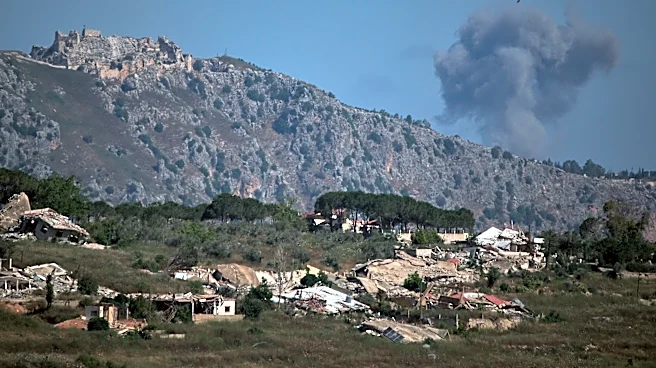
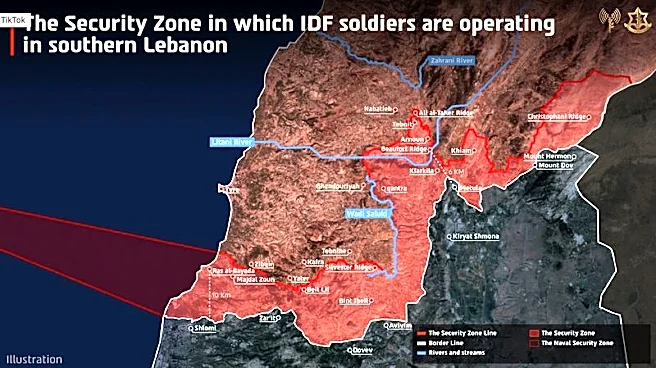
President Trump has called for a complete ceasefire on all fronts, including between Israel and Hezbollah in Lebanon, following the signing of a U.S.-Iran agreement. Despite this call, tensions remain high as both Israel and Hezbollah have continued to
engage in military actions against each other. Israeli Prime Minister Benjamin Netanyahu has emphasized the importance of maintaining Israel's close ties with the U.S., although some members of his cabinet have criticized the deal. The U.S.-Iran agreement aims to end the conflict on all fronts in the Middle East, including Lebanon, and has initiated a 60-day period to reach a final agreement.
Why It's Important?
The call for a ceasefire and the U.S.-Iran agreement represent significant diplomatic efforts to stabilize the Middle East region. The ongoing military actions between Israel and Hezbollah highlight the challenges in achieving lasting peace. The agreement's success or failure could have profound implications for U.S. foreign policy and its relationships with Middle Eastern allies. The deal also underscores the strategic importance of U.S.-Israel relations, as well as the potential for shifts in regional power dynamics.
What's Next?
The next steps involve monitoring the adherence to the ceasefire and the progress of negotiations within the 60-day period. The U.S. and Iran will need to navigate complex diplomatic landscapes to ensure compliance with the agreement. Reactions from major stakeholders, including Israel and Hezbollah, will be critical in determining the agreement's viability. The international community will be watching closely to see if the ceasefire holds and if further diplomatic measures are needed.