





What's Happening?
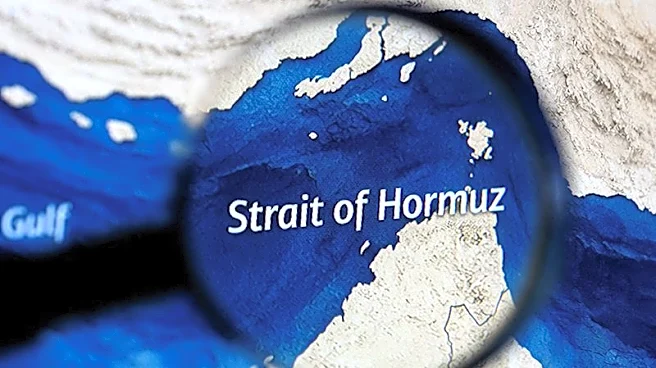
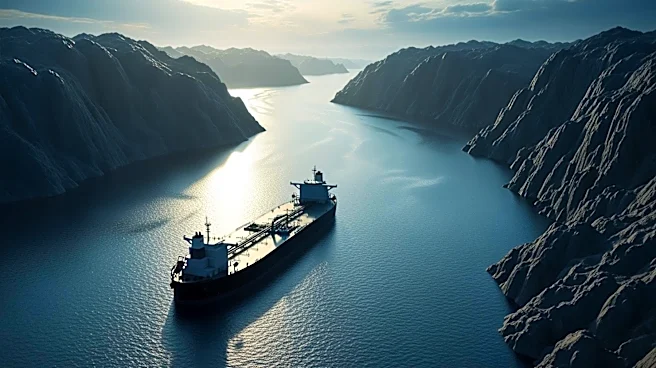
President Trump has set a final deadline for Iran to strike a deal, escalating tensions in global oil markets. The ultimatum has heightened economic stakes, as markets assess the potential for disruption in the Strait of Hormuz, a critical energy corridor.
Iran has rejected a proposed ceasefire framework, demanding broader concessions, including sanctions relief and security guarantees. This rejection maintains pressure on global energy flows, contributing to market uncertainty. Oil prices have fluctuated, reflecting the balance between escalation risks and the slim possibility of a negotiated outcome. The market is caught in a narrow band of uncertainty, with investors leaning towards disruption probabilities.
Why It's Important?
The situation is significant as it impacts global energy markets, particularly the reliability and timing of oil supply through the Strait of Hormuz. The uncertainty surrounding the negotiations affects oil prices, insurance costs, and shipping logistics, sustaining higher prices and risk premiums. The geopolitical standoff has transformed into a market event, where diplomacy, disruption, and risk perception simultaneously influence prices. The prolonged uncertainty could reshape market behavior, affecting energy stakeholders worldwide. Investors remain focused on the potential for sustained disruption, which could lead to tighter supply conditions and increased volatility in crude and refined products.
What's Next?
The deadline set by President Trump aims to force clarity, but energy markets rarely resolve on schedule. Even if a ceasefire is reached, normalizing shipping, insurance, and logistical systems will take time. Trust in safe passage through the Strait of Hormuz will require even longer to restore. The market will continue to monitor diplomatic developments and assess the impact of any agreements or escalations. Until a definitive resolution is achieved, oil prices will remain influenced by geopolitical factors rather than fundamentals.