




What's Happening?
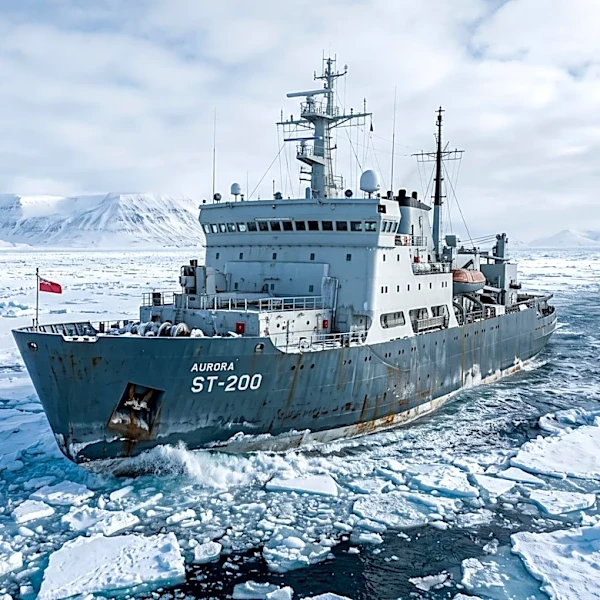
Aker QRILL Company's Antarctic krill fishery has been recertified by the Marine Stewardship Council (MSC) Fisheries Standard, marking its continuous certification since 2010. This latest five-year reassessment involved a rigorous process, including an independent
review following formal objections from two NGOs, the Antarctic and Southern Ocean Coalition (ASOC) and WWF-UK. The fishery achieved strong scores across all three MSC principles: sustainability of target stocks (86.7), environmental and ecosystem impacts (88.7), and fisheries management system (93.5). The recertification includes two conditions aimed at improving local-scale fisheries management, preventing concentrated fishing activity, and strengthening ecosystem safeguards. These conditions are a standard part of the MSC program, designed to encourage ongoing improvements in fishery performance. The Commission for the Conservation of Antarctic Marine Living Resources (CCAMLR) sets precautionary measures, such as limiting catches to approximately 1% of the estimated krill biomass and requiring scientific observers on all fishing trips.
Why It's Important?
The recertification of the Antarctic krill fishery is significant for U.S. consumers and industries that rely on krill-derived products, such as omega-3 supplements, farmed fish feed, and pet food. The MSC label provides assurance of sustainable sourcing, which is increasingly important for environmentally conscious consumers and businesses. The objections raised by NGOs and the subsequent independent review highlight the ongoing scrutiny and debate surrounding resource extraction in sensitive ecosystems like the Antarctic. This process underscores the value of stakeholder input in certification processes and the need for continuous improvement in fisheries management. For companies like Aker QRILL, maintaining this certification is crucial for market access and consumer trust, especially as demand for sustainably sourced ingredients grows. The conditions imposed by the MSC aim to mitigate potential negative impacts on the Southern Ocean ecosystem, which is vital for numerous species, including whales and penguins.
What's Next?
Aker QRILL Company will need to address the two new conditions set by the MSC within a specified timeframe to maintain its certification. These conditions focus on more spatially refined fisheries management and stronger ecosystem safeguards, particularly concerning concentrated fishing activity and its potential impact on wildlife. The company has expressed commitment to ongoing research, stakeholder dialogue, and advancing fisheries management through CCAMLR. This includes advocating for broader, science-based management of the krill fishery and supporting a new krill fisheries management approach and a Marine Protected Area in the Antarctic Peninsula region. Consumers are encouraged to check labels on omega-3 supplements and pet food to identify products containing krill, allowing them to make informed choices based on sustainability certifications.
Beyond the Headlines
The debate surrounding krill fishing in Antarctica extends beyond immediate sustainability concerns to broader ethical and ecological considerations. Krill are a keystone species in the Southern Ocean, forming the base of the food web for penguins, whales, and other marine life, and their waste plays a significant role in carbon sequestration. The concept of 'psychological distance' is relevant here, as consumers may not fully grasp the origin and environmental impact of products like omega-3 supplements. Conservationists like Ashlan Cousteau advocate for alternative sources of omega-3s, such as algae-based supplements, to reduce pressure on krill populations. This shift reflects a growing awareness of the interconnectedness of global ecosystems and the potential for consumer choices to drive more sustainable practices. The ongoing efforts to balance economic interests with ecological preservation in the Antarctic highlight the complex challenges of managing shared global resources.