







What's Happening?
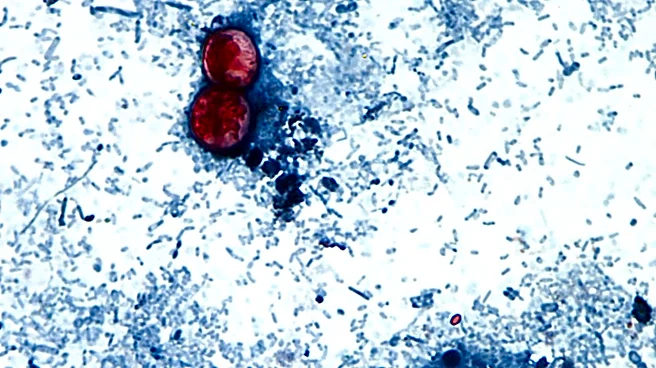
The Centers for Disease Control and Prevention (CDC) has confirmed nearly 10,500 cases of cyclosporiasis across 47 states, marking a significant increase in the outbreak. The CDC is also investigating an additional 12,255 unconfirmed cases. The outbreak has been
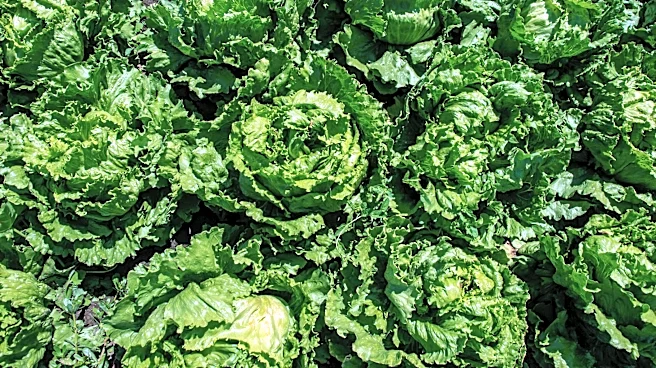
linked to contaminated shredded iceberg lettuce supplied by Taylor Farms, sourced from central Mexico. The outbreak has resulted in 517 hospitalizations, with the first known deaths reported in Michigan. The CDC is working closely with state health departments to update case numbers as more cases are confirmed. The outbreak has affected multiple states, with Missouri, Arkansas, Iowa, Nebraska, New Hampshire, and North Carolina recently added to the list of affected areas.
Why It's Important?
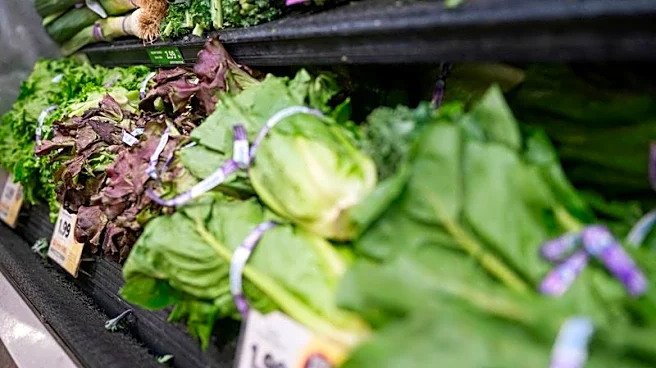
The cyclosporiasis outbreak poses a significant public health concern, particularly for immunocompromised individuals who may require antibiotic treatment. The outbreak has led to increased scrutiny of food safety practices, particularly concerning imported produce. The economic impact is also notable, as consumers are becoming wary of purchasing certain fresh produce, affecting sales in grocery stores and restaurant chains. The outbreak highlights the challenges faced by federal health agencies in responding to foodborne illnesses, exacerbated by cuts across these agencies. The situation underscores the need for stringent food safety regulations and effective communication between health agencies and the public.
What's Next?
The Food and Drug Administration (FDA) and CDC continue to investigate the outbreak's source, focusing on Taylor Farms' operations in central Mexico. The FDA has issued a recall of the implicated iceberg lettuce, and further investigations are ongoing to identify other potential sources of contamination. The outbreak has drawn attention from Congress, with inquiries into Taylor Farms' role and the FDA's response. Public health officials are advising consumers to be cautious with fresh produce and to follow food safety guidelines to prevent infection. The situation remains dynamic, with health agencies updating the public as new information becomes available.