

What's Happening?
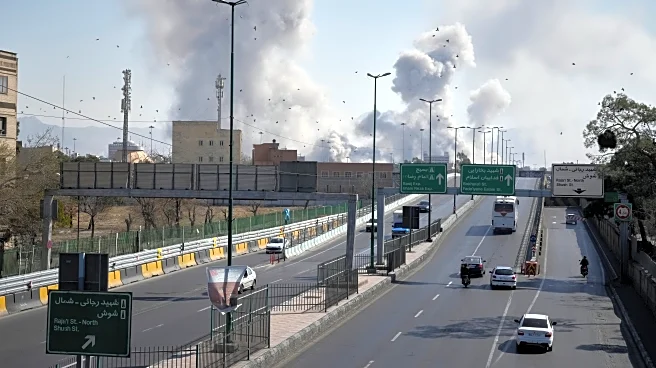
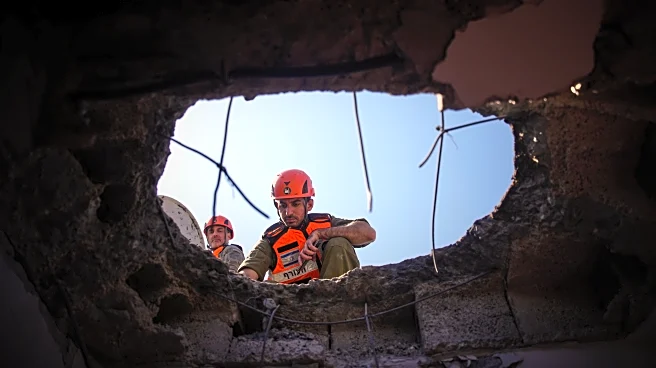
Saudi Arabia has warned Iran that it may retaliate if drone and missile attacks on its territory continue. This warning follows a week of heavy fire from Iran targeting Gulf states, including Saudi Arabia. An Iranian drone was recently shot down near
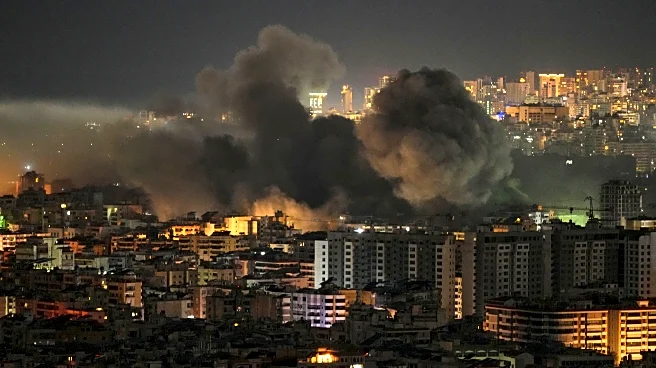
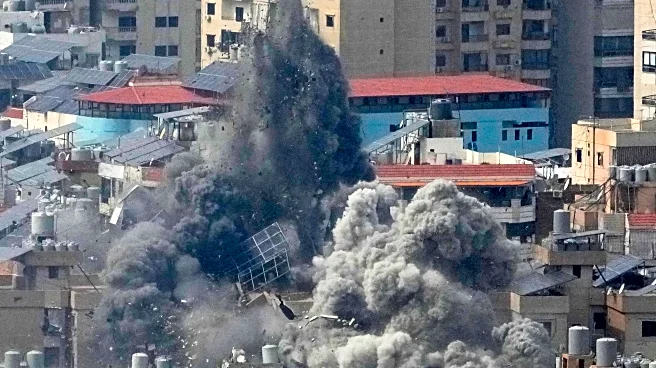
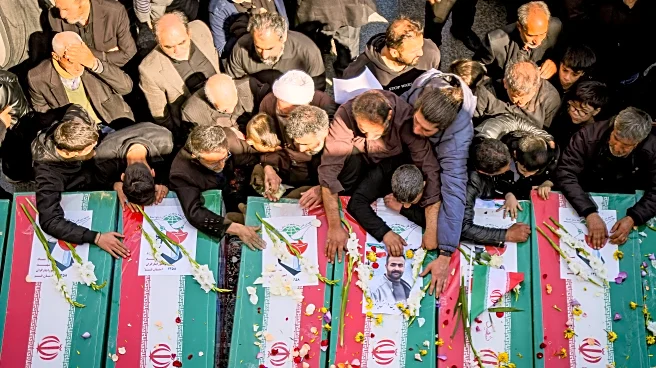
Riyadh, highlighting the ongoing tensions. Iranian President Masoud Pezeshkian has apologized to Gulf neighbors, indicating a potential shift in Iran's approach. However, divisions within Iran's leadership suggest that military actions may persist. The situation is further complicated by U.S. and Israeli military involvement in the region, following the breakdown of nuclear talks with Iran.
Why It's Important?
The conflict between Saudi Arabia and Iran poses significant risks to regional stability and global energy markets. Saudi Arabia's role as a leading oil producer means that any disruption to its energy infrastructure could have widespread economic consequences. The tensions also affect diplomatic relations in the Middle East, with potential impacts on international alliances and security dynamics. The involvement of the U.S. and Israel adds complexity, as their military actions could escalate the conflict further. The situation underscores the fragile nature of peace in the region and the potential for broader geopolitical ramifications.
What's Next?
Saudi Arabia has indicated a willingness to engage in diplomatic efforts to de-escalate the situation. However, continued Iranian attacks could lead to military responses, potentially involving U.S. forces. The international community may seek to mediate to prevent further escalation. The outcome of these tensions will be closely watched, as it could influence regional stability and global economic conditions. Observers will be monitoring the actions of key stakeholders, including Saudi Arabia, Iran, the U.S., and Israel, to assess the potential for resolution or further conflict.