







What's Happening?
The African Development Bank (AfDB) is playing a significant role in advancing renewable energy projects across Africa. The bank, along with other development finance institutions, is providing concessional loans, guarantees, and risk-sharing structures
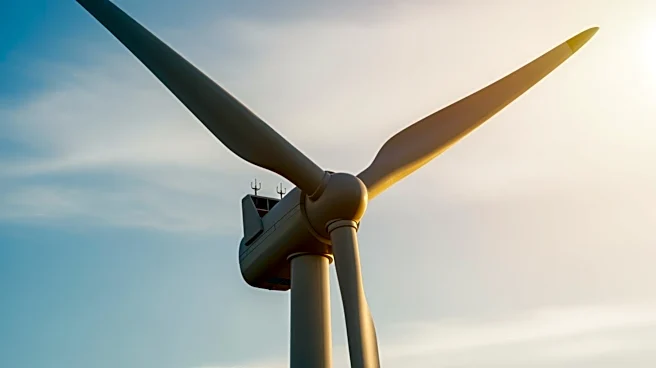
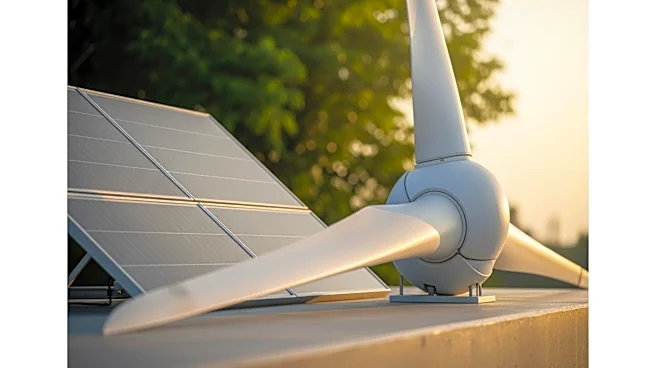
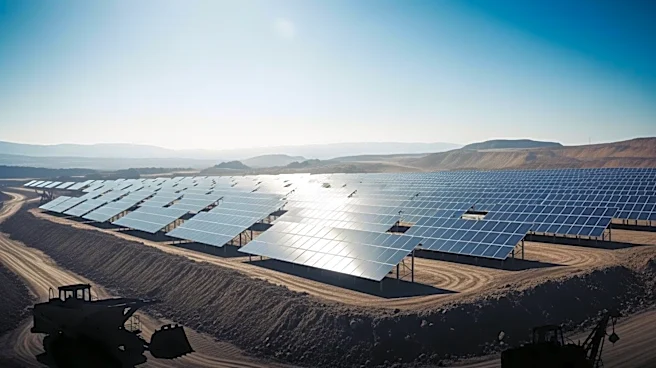
to support the transition from traditional power sources to renewable energy. This shift is driven by the need for more reliable and cost-effective electricity solutions. Recent investments, such as a $1.5 billion energy agreement between China and Zambia, highlight the growing emphasis on solar and wind power. The continent is experiencing a surge in renewable energy projects, with solar and wind leading the way. In 2025, Africa added a record 11.3 gigawatts of renewable energy capacity, with significant contributions from countries like South Africa, Egypt, and Ethiopia.
Why It's Important?
The transition to renewable energy in Africa is crucial for several reasons. It addresses the continent's rising fuel import bills and unreliable power grids, providing a more sustainable and economically viable solution. The shift also aligns with global efforts to combat climate change by reducing reliance on fossil fuels. For African countries, embracing renewable energy can lead to economic growth, as it attracts investments and creates jobs in the energy sector. Additionally, the move towards renewables can enhance energy security and reduce the continent's vulnerability to global fuel price fluctuations. The AfDB's involvement underscores the importance of financial support and political will in driving this energy transition.
What's Next?
The continued growth of renewable energy in Africa will likely depend on sustained financial support and policy changes. Countries like Ethiopia and South Africa are already implementing policies to encourage the adoption of electric vehicles and private power generation. However, challenges remain, such as the financial instability of many African utilities and the high financing costs for renewable projects. Development finance institutions will play a critical role in bridging these gaps. The success of renewable energy projects in Africa could serve as a model for other regions facing similar challenges, highlighting the potential for clean energy to drive economic development.