




What's Happening?
Federal forecasters from the National Oceanic and Atmospheric Administration (NOAA) have significantly increased the likelihood that the current El Niño event could become one of the strongest on record. As of July 9, 2026, NOAA's Climate Prediction Center
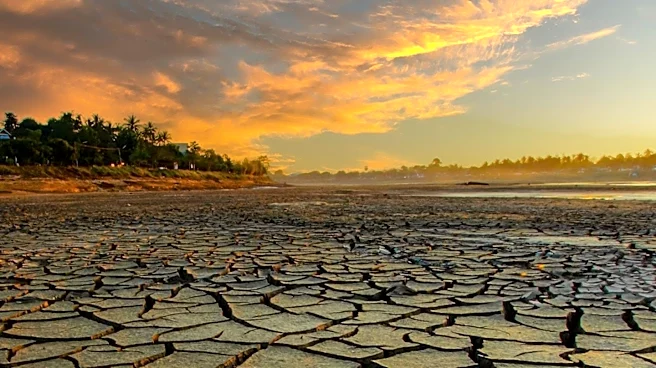
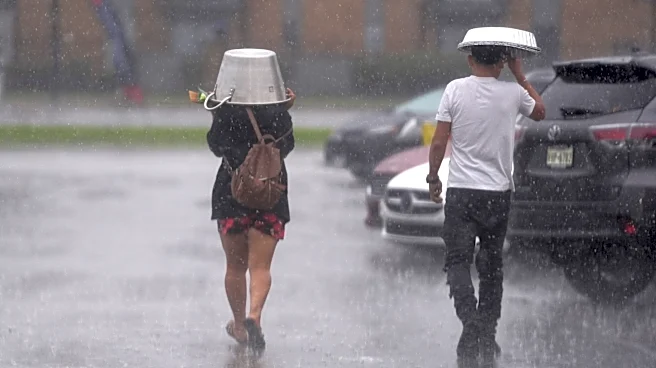
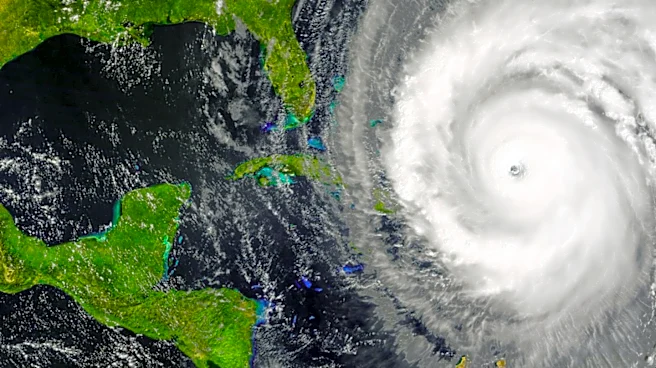
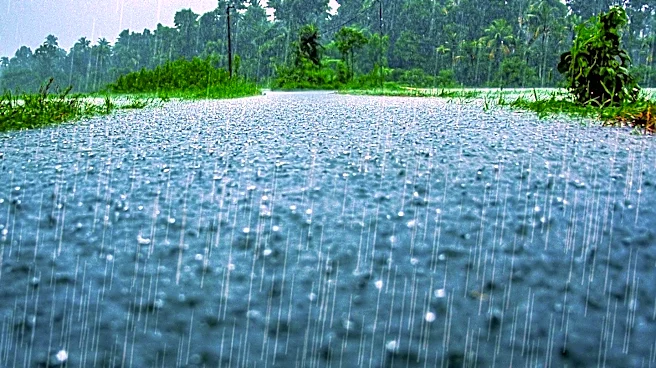
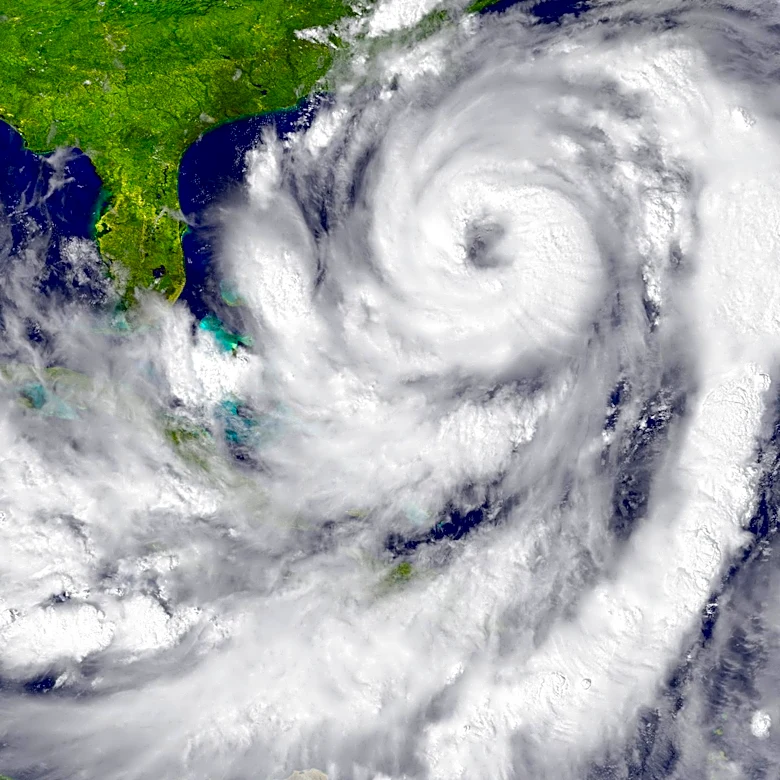
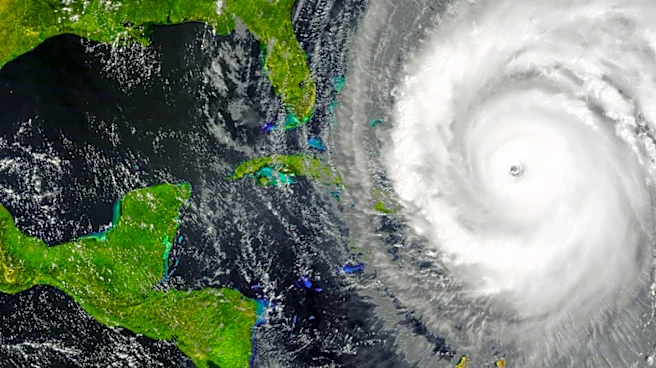
estimates an 81% chance of a 'very strong' El Niño by fall, up from 63% in June. This event is expected to last through early spring 2027, with only seven such strong events recorded in the past 75 years. El Niño, a climate pattern driven by Pacific Ocean temperatures, affects global weather, potentially causing droughts, heavy rainfall, and heatwaves. It can also reduce hurricane activity in the Atlantic, as seen with the current season's reduced forecast of nine named storms, below the average of 14.
Why It's Important?
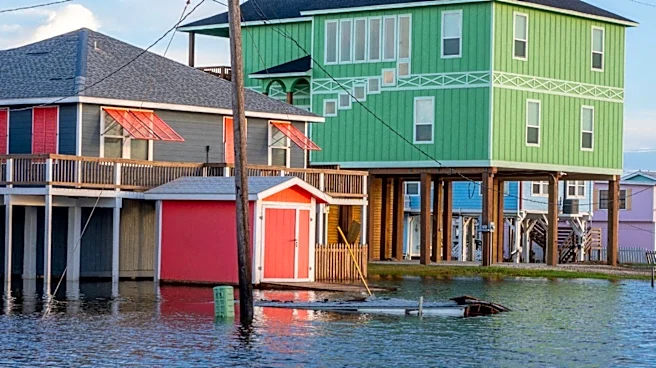
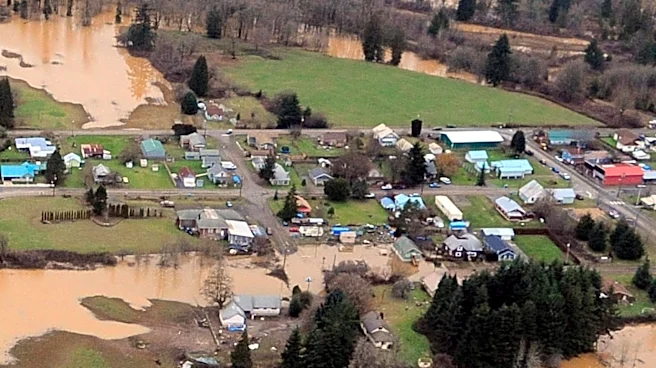
The potential for a very strong El Niño has significant implications for global weather patterns and economic conditions. In the U.S., it could lead to a milder winter, reducing heating costs for millions. However, it may also bring increased storm activity to the southern U.S. and drier conditions in the northern regions. Globally, El Niño can exacerbate extreme weather events, impacting agriculture, water resources, and economies. The reduction in Atlantic hurricanes could be beneficial, but the overall unpredictability of El Niño's effects requires careful monitoring and preparation by governments and industries worldwide.
What's Next?
As the El Niño event develops, NOAA and other meteorological agencies will continue to monitor its progression and update forecasts. Stakeholders, including government agencies, businesses, and communities, will need to prepare for potential impacts, such as adjusting agricultural practices, managing water resources, and planning for possible weather-related disruptions. The scientific community will also focus on studying this event to better understand El Niño's effects in a warming world, potentially improving future predictive models.
Beyond the Headlines
Beyond immediate weather impacts, a strong El Niño could influence long-term climate patterns and ecological systems. Changes in ocean temperatures can affect marine life, altering fish migration and impacting fisheries. Additionally, the event may contribute to the formation of harmful algal blooms, affecting coastal ecosystems and economies. Understanding these broader ecological impacts is crucial for developing adaptive strategies in response to climate variability.