






What's Happening?
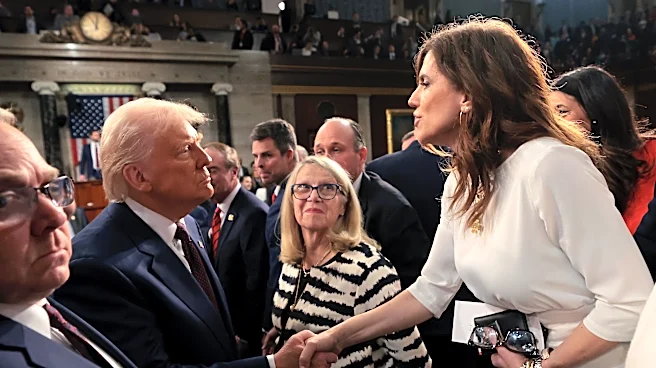
A group of Republican lawmakers who previously opposed President Trump over the release of Justice Department files related to Jeffrey Epstein are facing political setbacks. Representative Nancy Mace, a vocal advocate for transparency in the Epstein case,
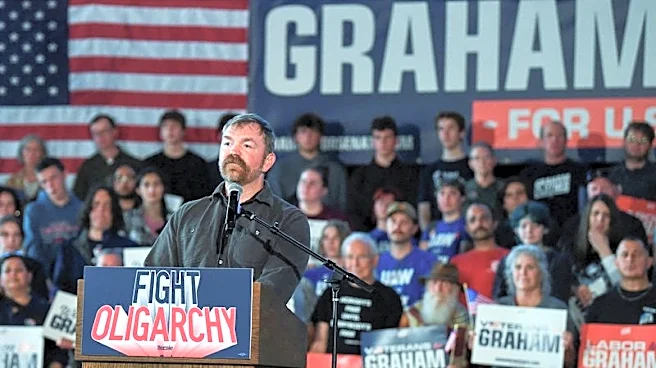
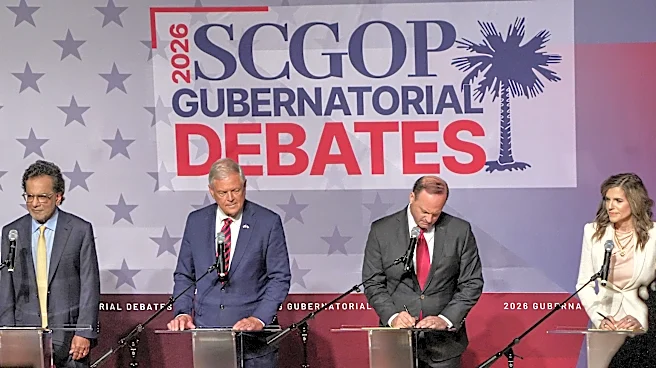
is trailing in the South Carolina gubernatorial primary after President Trump endorsed her opponent, Lieutenant Governor Pamela Evette. Mace attributes her lack of endorsement to her stance on the Epstein files. Similarly, Representative Thomas Massie, who led a bipartisan effort to release the files, lost his reelection bid after President Trump endorsed his opponent. The Epstein Files Transparency Act, signed by President Trump, aimed to release unclassified records, but critics argue the process has been slow and incomplete, causing friction within the GOP.
Why It's Important?
The situation highlights the ongoing influence of President Trump within the Republican Party and the potential political consequences for lawmakers who oppose him. The Epstein files issue has created a rare public disagreement between President Trump and some Republican members, exposing divisions within the party. This rift could impact upcoming elections, as seen in South Carolina's gubernatorial race and other political contests. The controversy underscores the challenges faced by Republicans who prioritize transparency over party loyalty, potentially affecting their political careers and the party's unity.
What's Next?
As primary campaigns continue, the fallout from the Epstein files debate may influence other political races. Lawmakers like Nancy Mace and Thomas Massie may need to navigate their political futures without President Trump's support. The GOP may face further internal conflicts as members balance transparency efforts with party allegiance. The handling of the Epstein files could remain a contentious issue, affecting the party's strategy and voter perceptions in future elections.
Beyond the Headlines
The Epstein files controversy raises broader questions about transparency and accountability within the government. It highlights the ethical considerations of balancing public interest with political strategy. The situation also reflects the complexities of party dynamics and the influence of high-profile endorsements in shaping political outcomes. Long-term, this could lead to shifts in how political alliances are formed and maintained within the Republican Party.