





What's Happening?
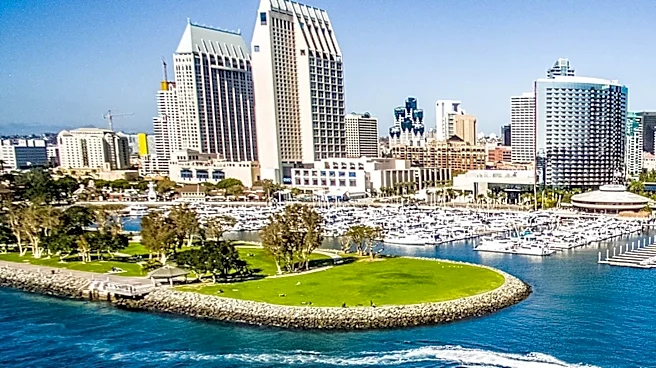
San Diego's Shelltown neighborhood, located on a mesa near the city's waterfront, historically attracted Navy officers due to its views of San Diego Bay and quick access to their ships. In the early 1900s, officers could see their vessels from home and reach
the waterfront rapidly if called to duty. The neighborhood's name originates from the abundant seashells found in its sandy soil. The waterfront itself underwent significant changes in the early 20th century, drawing new businesses such as California Iron Works, established in the 1910s, and San Diego Marine Construction Co., founded in 1915. Several tuna canneries also operated along the waterfront during this period. The growth of the neighborhood led to the opening of Balboa School in 1924 to serve the increasing population. In 1919, San Diego deeded 98.2 acres to the Navy, which later became the 32nd Street Naval Station, now part of Naval Base San Diego. Shelltown's development has been consistently influenced by military and industrial activities along the bayfront.
Why It's Important?
The historical development of San Diego's Shelltown neighborhood underscores the profound impact of military and industrial presence on urban planning and community formation in U.S. coastal cities. The strategic importance of the waterfront for naval operations and commercial activities directly influenced residential patterns, attracting specific demographics like Navy officers seeking convenient access to their posts. This concentration of military personnel and the establishment of industries like shipbuilding and canning created a unique economic ecosystem, providing employment and shaping the local infrastructure. The ongoing influence of the Naval Base San Diego and other waterfront industries highlights how long-term land use decisions, such as the 1919 land deed to the Navy, can permanently alter the character and challenges faced by adjacent residential areas. Understanding this historical interplay is crucial for contemporary urban development, environmental planning, and community resilience in areas with significant military or industrial footprints.
What's Next?
While the provided text focuses on historical context, the ongoing presence of Naval Base San Diego and other waterfront industries suggests continued interaction between these entities and the Shelltown community. Future developments in the area could involve ongoing discussions regarding environmental impacts from historical industrial activity, urban revitalization projects that balance historical preservation with modern needs, and community initiatives aimed at addressing the legacy of industrial and military influence. The city of San Diego will likely continue to manage the relationship between its military installations, commercial waterfront, and residential neighborhoods, potentially leading to new policies concerning land use, infrastructure development, and community support programs. Stakeholders, including local residents, city planners, and naval authorities, will need to collaborate to ensure sustainable growth and address any lingering issues stemming from the area's unique historical development.
Beyond the Headlines
The story of Shelltown reveals deeper implications regarding the symbiotic yet sometimes challenging relationship between military installations, industrial development, and residential communities in the U.S. The initial allure of waterfront proximity for Navy officers highlights a cultural dimension where military service members sought to integrate their professional lives with their family residences. However, the long-term effects of industrial and military activity, even if outside the immediate neighborhood, can lead to environmental concerns or infrastructure demands that disproportionately affect surrounding residential areas. This narrative also touches upon the economic forces that drive urban expansion, where the promise of employment and strategic location dictates the growth of specific industries and the subsequent residential patterns. The evolution of Shelltown from a desirable location for naval families to a neighborhood grappling with the legacy of its industrial and military neighbors offers a microcosm of broader U.S. urban development trends, where economic and strategic imperatives often shape the social and environmental fabric of communities.