





What's Happening?
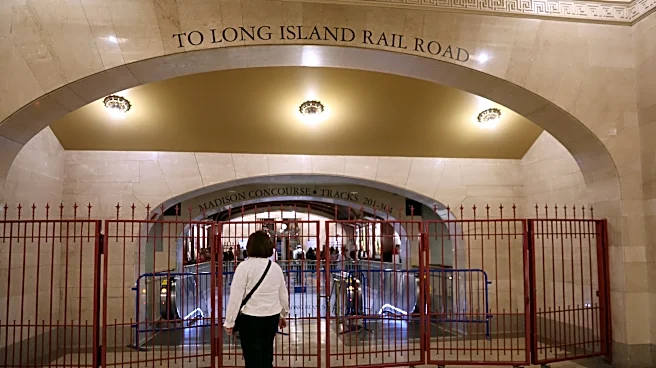
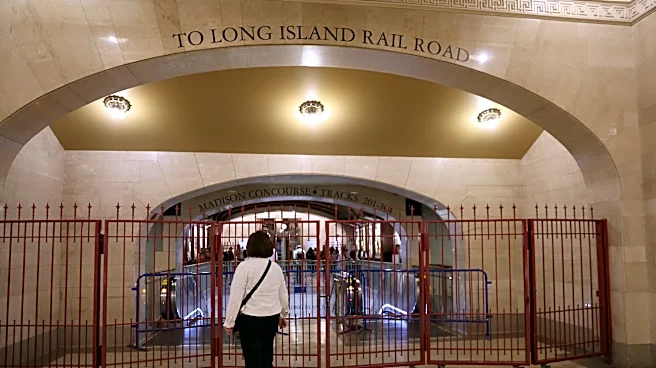
New York City Mayor Zohran Mamdani, known for his support of labor movements, has decided not to join the picket line of Long Island Rail Road (LIRR) workers currently on strike. Despite his history of marching with striking nurses and Starbucks baristas,
Mamdani expressed hope that a fair deal would be reached between the LIRR workers and management. State Assemblymember Claire Valdez, who is running for Congress with Mamdani's endorsement, did join the picket line, advocating for fair wages and dignity for the workers. The Democratic Socialists of America, of which both Mamdani and Valdez are members, have shown support for the union, emphasizing the need for fair pay. Political analysts suggest that Mamdani's decision to stay away from the strike is influenced by his position as mayor and the need to maintain leverage in future negotiations with other municipal unions.
Why It's Important?
Mamdani's decision to refrain from joining the LIRR strike highlights the complex dynamics between political leadership and labor movements. As mayor, Mamdani must balance his support for labor with the practicalities of governance, including securing funding for the city and maintaining relationships with state leadership. His absence from the picket line may be a strategic move to avoid conflict with Governor Kathy Hochul, who has opposed the union's demands due to potential fare hikes. This situation underscores the challenges faced by political leaders who align with labor movements but must also navigate broader political and economic considerations. The outcome of the LIRR strike and Mamdani's stance could influence future labor negotiations and political alliances in New York.
What's Next?
The ongoing negotiations between LIRR workers and management will continue to unfold, with potential implications for fare structures and labor relations in New York. Mayor Mamdani's decision to stay out of the strike may affect his political capital and relationships with labor unions, particularly as he seeks to secure funding in the state budget process. Observers will be watching to see how Mamdani balances his labor support with the need to maintain a cooperative relationship with Governor Hochul. The resolution of the LIRR strike could set a precedent for future labor disputes involving public sector unions in the city.
Beyond the Headlines
Mamdani's decision not to join the LIRR strike reflects broader political and cultural dynamics, including the intersection of labor politics and regional demographics. The LIRR workers, many of whom reside in Republican-leaning areas, present a different political landscape compared to the urban service workers Mamdani has previously supported. This situation highlights the nuanced considerations political leaders must navigate when engaging with diverse labor constituencies. Additionally, the strike raises questions about the sustainability of public sector labor agreements and the role of political leaders in mediating these disputes.