
What's Happening?
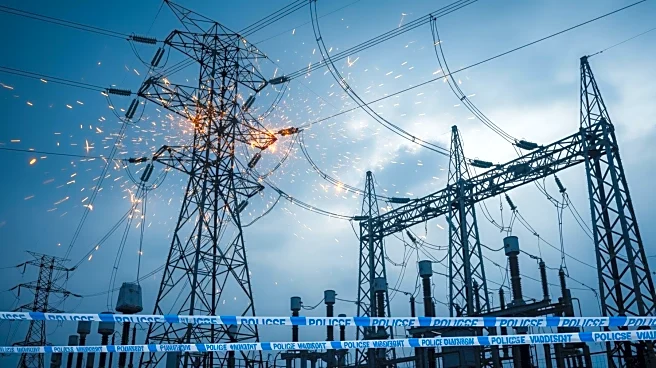
Russia has launched a significant attack on Ukraine, firing approximately 450 long-range drones and 70 missiles targeting the country's power grid amid freezing temperatures. This assault comes just a day
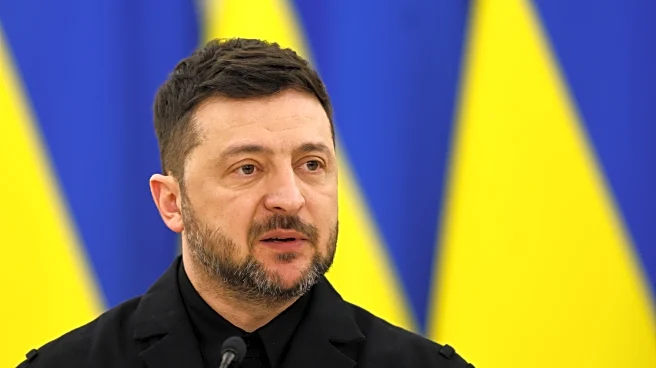
before scheduled U.S.-brokered peace talks in Abu Dhabi between Russian and Ukrainian officials. Ukrainian President Volodymyr Zelenskyy reported that the attack aimed to deny civilians essential services like light, heating, and running water during one of the coldest winters in years. The bombardment affected at least five regions, causing injuries and significant damage to infrastructure. Zelenskyy has called for increased air defense support from allies and emphasized the need for maximum pressure on Russia to end the conflict.
Why It's Important?
The timing of Russia's attack, just before peace talks, highlights the ongoing challenges in reaching a diplomatic resolution to the conflict. The assault on Ukraine's power grid is part of a broader strategy to weaken the country's resolve by targeting civilian infrastructure. This tactic not only exacerbates the humanitarian crisis in Ukraine but also complicates diplomatic efforts by increasing tensions. The international community, particularly the U.S. and NATO allies, faces the challenge of balancing military support for Ukraine with diplomatic initiatives aimed at ending the war. The outcome of the upcoming peace talks could significantly influence the future trajectory of the conflict.
What's Next?
The scheduled peace talks in Abu Dhabi represent a critical opportunity for diplomatic progress, although significant challenges remain. U.S. Special Envoy Steve Witkoff and Jared Kushner are set to participate in the discussions, which aim to address key issues such as territorial control and a comprehensive settlement. The international community will be closely monitoring the talks for any signs of a breakthrough. Meanwhile, Ukraine will likely continue to seek increased military aid to bolster its defenses against further Russian attacks. The ongoing conflict and its impact on civilian infrastructure will remain a focal point for international diplomatic and humanitarian efforts.