


What's Happening?
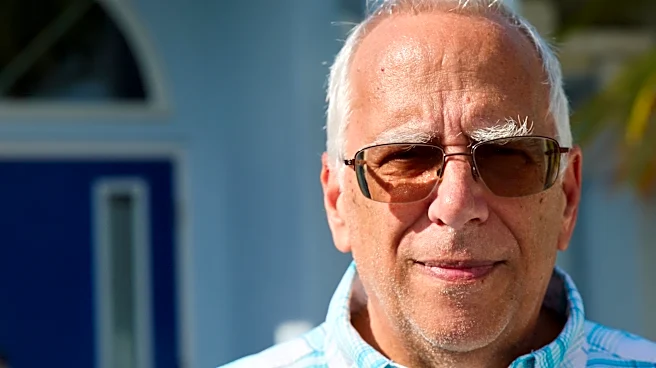
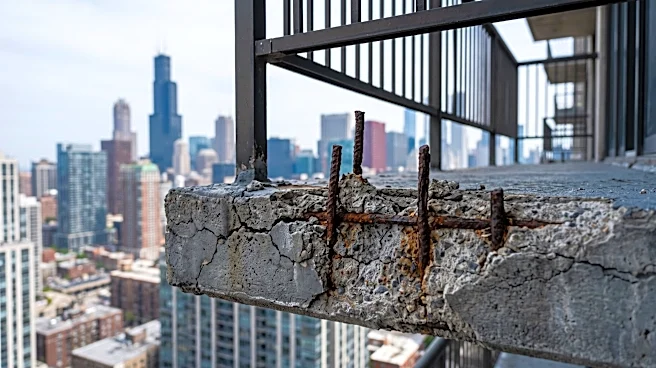
A condo owner in Chicago's River North neighborhood has voiced significant safety concerns regarding the deteriorating balconies of a 54-story high-rise building. The owner highlighted exposed metal reinforcement and crumbling building materials, expressing
fears that these fragments could detach and fall onto individuals below. This issue points to potential structural integrity problems within the high-rise, raising questions about maintenance and safety standards in urban residential buildings. The concerns were brought to public attention through a local news report, emphasizing the immediate danger posed by the compromised balconies. The situation underscores the importance of regular inspections and timely repairs for high-rise structures, especially in densely populated areas where falling debris could cause serious harm.
Why It's Important?
The concerns raised by the River North condo owner are important because they highlight critical issues in urban infrastructure safety and property management. Deteriorating balconies in high-rise buildings pose a direct physical threat to residents and pedestrians, potentially leading to severe injuries or fatalities from falling debris. This situation could prompt increased scrutiny from city building departments and homeowner associations regarding the structural integrity and maintenance protocols of high-rise residential buildings across Chicago and other major U.S. cities. Property owners and management companies might face heightened pressure to conduct thorough inspections and undertake costly repairs, which could impact property values, insurance premiums, and maintenance fees for residents. Furthermore, it could lead to a reevaluation of building codes and enforcement mechanisms to prevent similar hazards in the future, ensuring the long-term safety of urban living environments.
What's Next?
Following the public revelation of these safety concerns, it is anticipated that the building's management and potentially city regulatory bodies will initiate investigations into the structural integrity of the balconies. Residents may demand immediate action, including comprehensive inspections by structural engineers and the implementation of a repair plan. This could lead to temporary closures of areas beneath the affected balconies to ensure public safety. Depending on the severity and scope of the deterioration, the building might face mandates for extensive renovations, which could result in significant financial burdens for condo owners through special assessments. Additionally, this incident could trigger broader discussions among city officials about the need for more stringent oversight and proactive maintenance requirements for high-rise buildings, potentially leading to new regulations or enhanced enforcement of existing ones to prevent similar occurrences.
Beyond the Headlines
Beyond the immediate safety concerns, this incident in River North could have broader implications for urban development and property ownership. It highlights the often-overlooked long-term maintenance challenges associated with aging high-rise buildings, particularly those constructed decades ago. The cost of repairing such structural issues can be substantial, potentially leading to financial distress for condo associations and individual owners. This situation also brings to light the ethical responsibilities of property developers and management companies to ensure the ongoing safety and habitability of their structures. It could spark a wider conversation about the balance between aesthetic design, construction costs, and long-term structural integrity in modern architecture. Moreover, it might influence prospective buyers' decisions, leading to increased demand for transparency regarding building maintenance records and structural health assessments before property purchases in high-rise developments.