







What's Happening?
The Trump administration has announced proposed tariffs ranging from 10% to 12.5% on 60 trading partners, including major economies like China, the U.K., and the EU. This move follows investigations into these countries' failure to enforce bans on forced
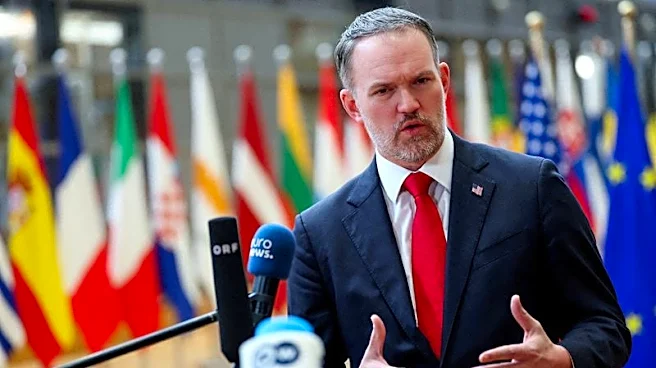
labor. The U.S. Trade Representative's office, led by Jamieson Greer, argues that these tariffs are necessary to create a level playing field for American workers and companies, as many countries lack stringent prohibitions against imports made with forced labor. The proposed tariffs are part of an effort to rebuild the U.S. tariff system after the Supreme Court struck down previous global tariffs. The tariffs are set to undergo a comment process before they can be implemented.
Why It's Important?
The proposed tariffs could significantly impact international trade relations and the global economy. By targeting countries that allegedly fail to address forced labor, the U.S. aims to pressure these nations into adopting stricter labor standards. This move could lead to increased costs for imported goods, affecting both American consumers and businesses reliant on foreign products. Additionally, the tariffs may strain diplomatic relations with key trading partners, potentially leading to retaliatory measures. The decision underscores the administration's commitment to addressing unfair trade practices, but it also raises concerns about potential economic repercussions, such as higher prices and reduced economic growth.
What's Next?
The proposed tariffs will undergo a comment process, allowing stakeholders to provide feedback before any implementation. The outcome of this process could influence the final decision on the tariffs. Meanwhile, affected countries may engage in diplomatic negotiations to address the U.S.'s concerns and avoid the tariffs. The situation could also prompt discussions within international trade organizations about labor standards and trade practices. Businesses and industry groups are likely to lobby for exemptions or adjustments to the proposed tariffs, highlighting the potential impact on their operations.