



What's Happening?
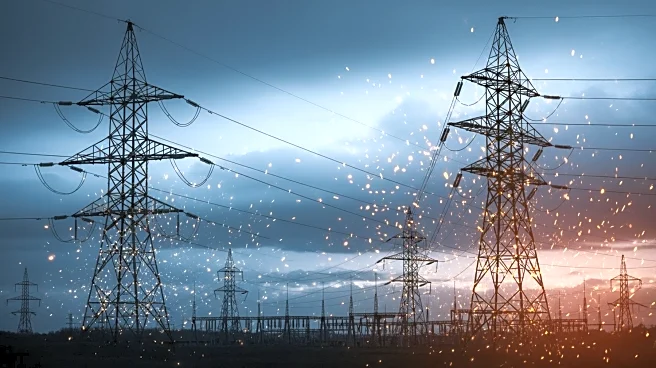
Russia has conducted a large-scale attack on Ukraine's energy infrastructure, using over 450 drones and 30 missiles. The strikes, which occurred from Friday night into Saturday morning, targeted critical facilities in the Odesa region and other parts
of southern Ukraine. Ukrainian President Volodymyr Zelenskyy reported that the main focus of the attack was on the energy sector, causing significant disruptions. The Ukrainian Air Force managed to intercept a majority of the drones and missiles, but some still hit their targets, resulting in power outages across several regions. The attack has left thousands without electricity, and emergency services are working to restore power and water supplies.
Why It's Important?
This attack highlights the ongoing vulnerability of Ukraine's infrastructure amidst the prolonged conflict with Russia. The targeting of energy facilities is particularly impactful as it disrupts essential services and can have cascading effects on civilian life and economic activities. The use of drones and missiles in such large numbers indicates a continued escalation in military tactics by Russia, aiming to weaken Ukraine's resilience. For Ukraine, this poses significant challenges in maintaining infrastructure stability and ensuring civilian safety. Internationally, the attack may prompt further condemnation and calls for increased support to Ukraine from its allies.
What's Next?
Ukraine is likely to seek additional international assistance to bolster its air defense capabilities and infrastructure resilience. The Ukrainian government may also push for more stringent sanctions against Russia in response to the attack. On the ground, efforts will continue to restore power and services to affected regions, while military and emergency services remain on high alert for potential further attacks. The international community will be closely monitoring the situation, with potential diplomatic repercussions for Russia's actions.