







What's Happening?
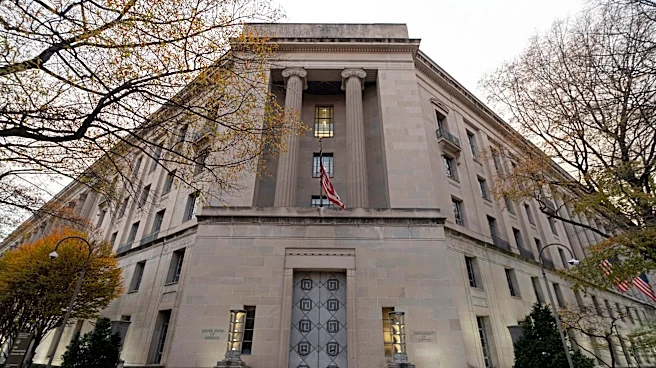
Acting Attorney General Todd Blanche met with accusers of Jeffrey Epstein at the Justice Department headquarters in Washington. This meeting was prompted by a demand from Republican Senator Thom Tillis, whose support is crucial for Blanche's confirmation
as Attorney General. The meeting, which lasted about an hour, was part of an effort to address concerns over the Justice Department's handling of Epstein's case. Blanche encouraged the accusers to provide any new information to the FBI that could aid in further investigations. Despite the meeting, some accusers, like Dani Bensky, expressed dissatisfaction, feeling that the session was neither substantive nor productive. Blanche has faced criticism over the department's release of Epstein-related files, which included errors such as unredacted photos of potential victims.
Why It's Important?
The meeting is significant as it highlights ongoing scrutiny over the Justice Department's handling of high-profile cases, particularly those involving Epstein. The outcome of Blanche's confirmation could impact the department's future approach to such cases. The meeting also underscores the political pressures faced by the Justice Department, as Blanche's confirmation hinges on addressing concerns from key senators. The situation reflects broader issues of accountability and transparency within the department, especially in cases involving powerful individuals. The dissatisfaction among accusers points to a potential gap between the department's actions and the expectations of victims seeking justice.
What's Next?
Blanche's confirmation remains uncertain, as it depends on securing support from key Republican senators like Thom Tillis and John Cornyn. The Justice Department may face continued pressure to address the concerns of Epstein's accusers and ensure a thorough investigation. Blanche's ability to navigate these challenges will be crucial for his confirmation and the department's credibility. The department may also need to implement measures to prevent future errors in handling sensitive case files, as public trust in the justice system is at stake.