






What's Happening?
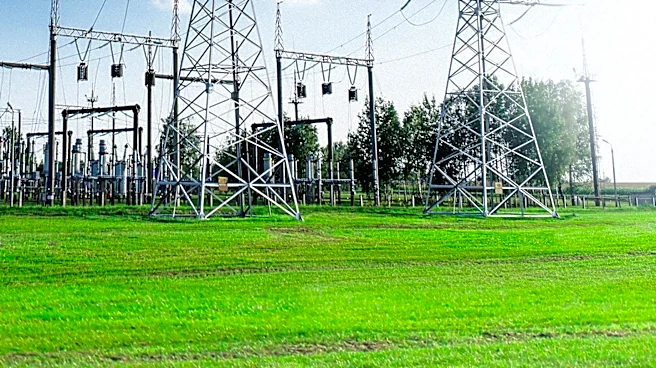
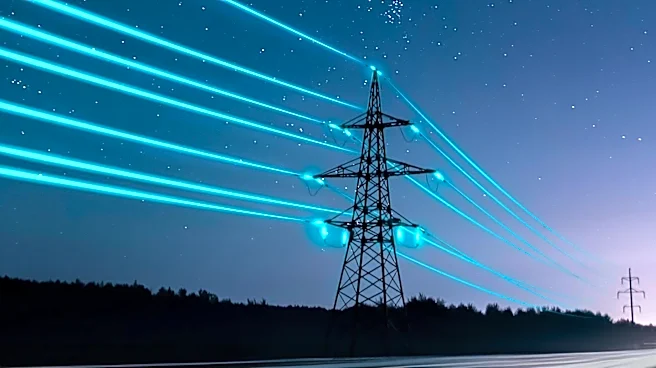
The U.S. electric grid is undergoing significant modernization efforts, which are contributing to a robust growth forecast for the global transformers market from 2026 to 2035. This modernization is deemed essential to support increasing demands from artificial
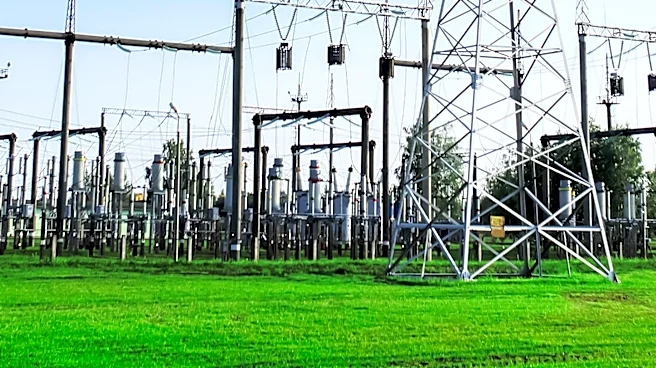
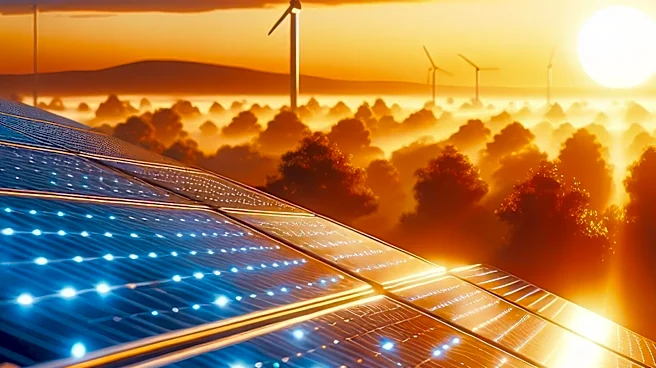
intelligence (AI) workloads, electric vehicle (EV) chargers, and to maintain the nation's leadership in innovation. The Department of Energy and the National Renewable Energy Laboratory have identified AI as a crucial enabler for grid modernization. The global transformers market is projected to experience substantial growth, driven by these grid upgrades and the integration of renewable energy sources. Investments in electrical grid infrastructure are considered non-negotiable as economies recover and focus shifts to modernizing aging grids in developed regions and expanding capacity in emerging markets. The energy transition, marked by the rapid deployment of solar and wind energy, necessitates significant transformer installations for voltage step-up and grid integration. Additionally, the electrification of transportation and heating further strains existing networks, increasing demand for replacements and upgrades.
Why It's Important?
The modernization of the U.S. electric grid is critical for several reasons, impacting industries, public policy, and economic stakeholders. The increased demand from AI data centers and electric vehicles places unprecedented stress on existing infrastructure, making grid upgrades vital for reliability and efficiency. This investment ensures the U.S. can support technological advancements and maintain its competitive edge in innovation. The growth in the transformers market signifies a broader economic impact, creating demand for manufacturing, installation, and maintenance services. Companies involved in electrical infrastructure and renewable energy stand to gain significantly from these investments. Conversely, a failure to modernize could lead to increased power outages, higher energy costs, and hinder the adoption of new technologies like EVs and AI, negatively affecting consumers and businesses. The emphasis on renewable energy integration also aligns with national decarbonization goals, making grid modernization a cornerstone of environmental policy.
What's Next?
The global transformers market is expected to grow at a compound annual growth rate (CAGR) of 5.8% from 2026 to 2035, reaching a market index of 175 by 2035 (2025=100). This growth will be supported by ongoing government initiatives, utility spending, and private sector investments in grid infrastructure. Key demand drivers include global grid modernization and expansion initiatives, rising electricity demand from data centers, electric vehicles, and industrial automation, and government policies promoting energy efficiency and decarbonization. Technological advancements in smart transformers and digital monitoring are also anticipated to enhance grid reliability and efficiency. However, potential growth constraints include volatility in raw material prices, supply chain disruptions, and a shortage of skilled labor. Regionally, Asia-Pacific is expected to lead in both production and consumption, while North America and Europe will focus on grid resilience and digitalization. The U.S. will continue its heavy investment in power infrastructure construction and grid modernization.
Beyond the Headlines
The push for electric grid modernization in the U.S. extends beyond immediate infrastructure upgrades, touching upon deeper implications for energy independence, national security, and technological integration. The reliance on AI for grid management introduces new cybersecurity challenges, requiring robust defenses to protect critical infrastructure from potential attacks. The shift towards decentralized renewable energy sources, facilitated by smart grid technologies, could fundamentally alter the traditional utility model, empowering consumers with more control over their energy consumption and potentially fostering local energy markets. Furthermore, the demand for specialized transformers and advanced grid components could stimulate domestic manufacturing and research, reducing reliance on foreign supply chains and bolstering the U.S. industrial base. This modernization also highlights an ethical dimension concerning equitable access to reliable and affordable energy, particularly as new technologies are integrated and costs are potentially passed on to consumers.