


What's Happening?
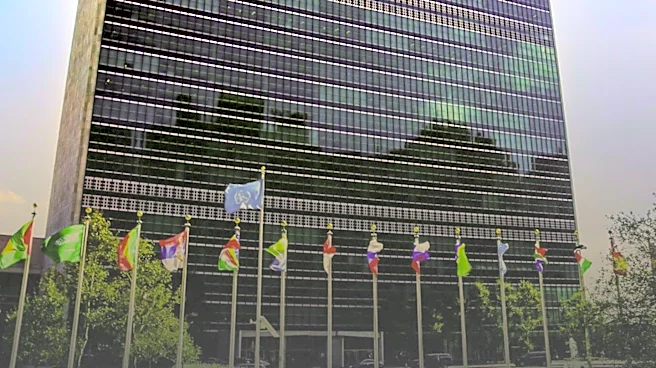
A U.S. review of a United Nations investigation into the alleged involvement of United Nations Relief and Works Agency (UNRWA) staff in the October 7, 2023, Hamas attack has found the UN's probe to be significantly deficient. The UN's oversight office
initially investigated 19 UNRWA staffers with alleged ties to Hamas, ultimately clearing 10 of them. However, the U.S. review, as reported by the Free Beacon's Adam Kredo, concluded that the UN officials imposed overly strict limitations on their investigation, set an unachievably high burden of proof, and that the findings were ultimately useless. The UN's probe reportedly focused only on direct participation in the October 7 attacks, ignoring whether staff members were card-carrying Hamas members. Furthermore, the UN omitted intercepted Hamas communications linking UNRWA staff to the attack, citing an inability to independently confirm the information, despite not providing evidence that the materials were inauthentic.
Why It's Important?
This U.S. review carries significant implications for the funding and operational integrity of UNRWA, a major humanitarian organization in the Palestinian territories. The findings suggest a potential cover-up or a severe lack of rigor in the UN's internal investigation, which could erode trust among international donors. Western donor countries are reportedly reconsidering future financial commitments to UNRWA based on these American conclusions. The USAID inspector general's independent investigation, which has already led UNRWA to voluntarily fire 70 staffers and identified over 100 staffers as Hamas combatants or participants in the October 7 attack, further underscores the gravity of the situation. The credibility of UNRWA's operations and its ability to receive international support are at stake, potentially impacting humanitarian aid delivery in the region.
What's Next?
The ongoing American investigation is examining over 1,500 UNRWA-linked individuals for potential ties to Hamas. The findings of this broader U.S. probe are expected to further influence international perceptions and funding decisions regarding UNRWA. The pressure on UNRWA to 'clean house' is likely to intensify, potentially leading to more staff dismissals and a re-evaluation of its operational protocols. Donor countries will likely await the full results of the U.S. investigation before making definitive decisions on future financial aid. This situation could also prompt calls for more robust and transparent oversight mechanisms within UN agencies to prevent similar issues in the future.
Beyond the Headlines
The controversy surrounding UNRWA staff involvement in the October 7 attack highlights the complex and often politically charged environment in which humanitarian organizations operate in conflict zones. The allegations and the subsequent investigations raise fundamental questions about accountability, neutrality, and the potential for infiltration by militant groups within aid agencies. This situation could lead to a broader re-evaluation of how international aid is distributed and monitored in regions with active conflicts, potentially leading to stricter vetting processes for staff and more stringent oversight of funds. The ethical dilemma of providing aid in areas where some personnel may have ties to extremist groups will likely be a central point of discussion, impacting the future of humanitarian efforts globally.