


What's Happening?
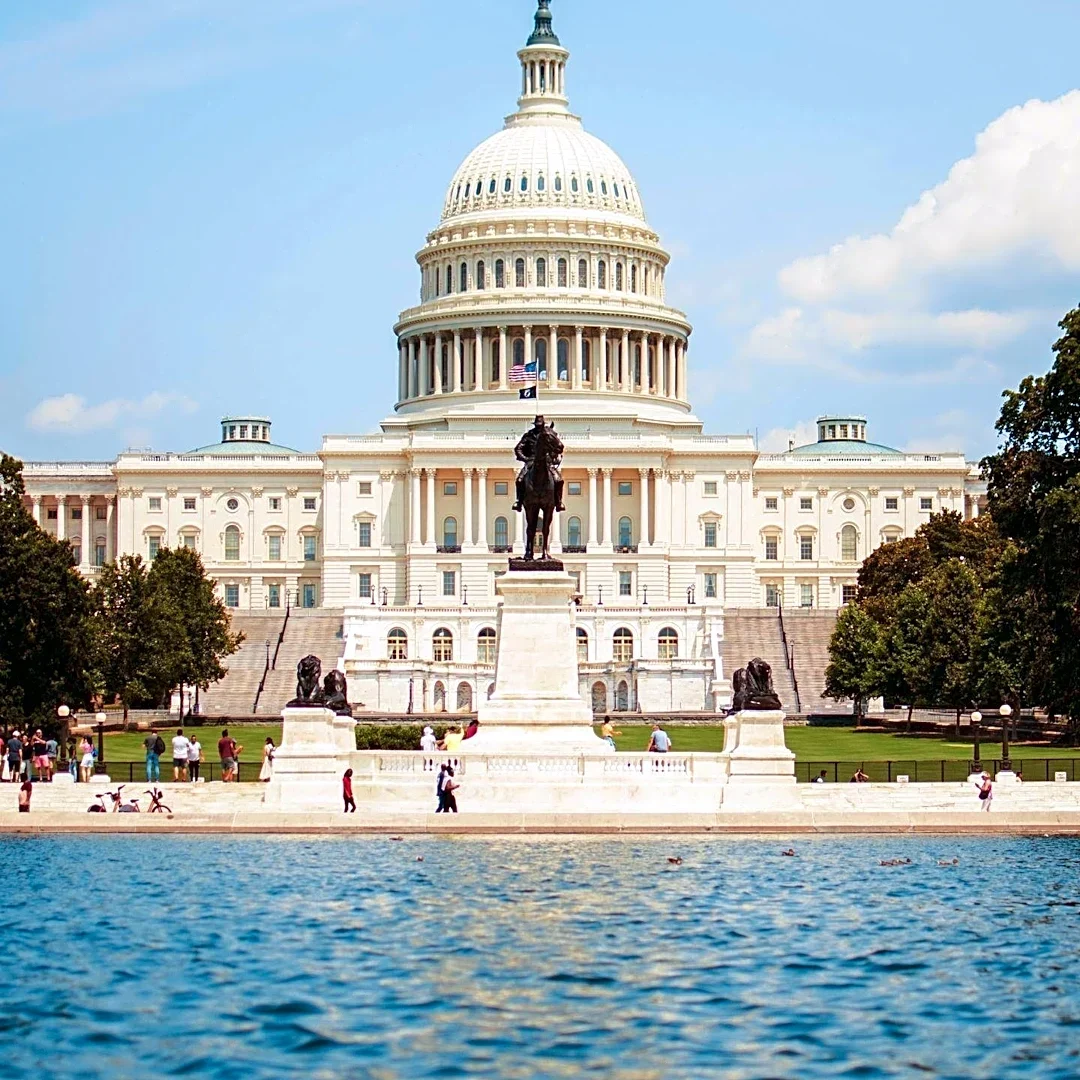
The offices of U.S. Representatives Maxwell Frost in Orlando and Darren Soto in Kissimmee, Florida, received suspicious packages on October 16. Representative Frost's office was evacuated after a suspicious package, similar to others sent to congressional
offices nationwide, was received. Approximately 45 minutes later, law enforcement intercepted an envelope containing an unknown substance at Representative Soto's office. No injuries have been reported in either incident. Both the Orlando Police Department and U.S. Capitol Police have been notified and are cooperating with the ongoing investigations. Authorities have not yet released specific details regarding the contents of the suspicious deliveries. These incidents are part of a broader trend of suspicious mail being sent to various congressional and election offices across the country ahead of Election Day, leading federal authorities to investigate the targeting.
Why It's Important?
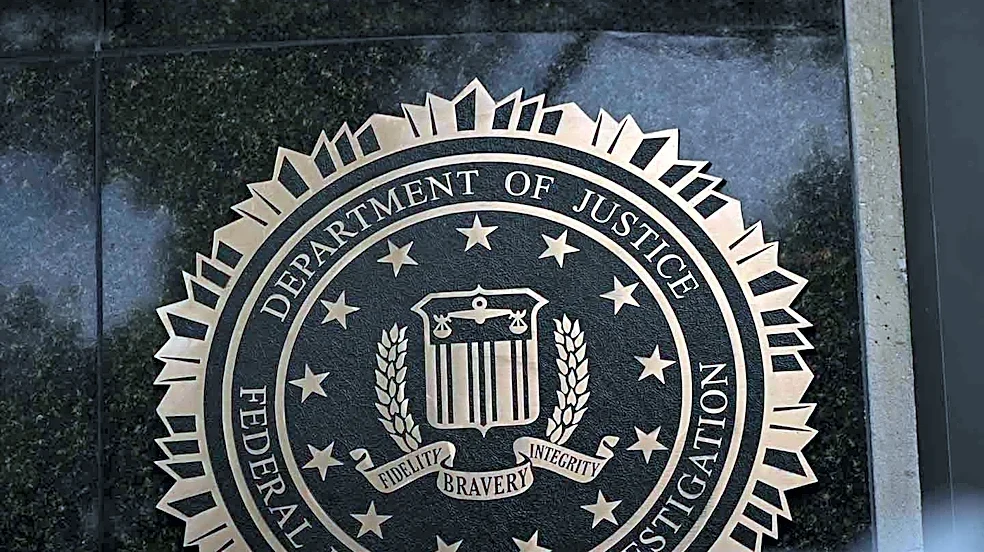
The targeting of congressional offices with suspicious packages carries significant implications for the safety and security of elected officials and their staff, as well as for the democratic process itself. Such incidents can disrupt legislative work, create an atmosphere of fear, and potentially deter individuals from engaging in public service. The fact that these events are occurring nationwide and specifically ahead of Election Day suggests a coordinated effort, which could be intended to intimidate or sow discord. This trend highlights vulnerabilities in mail screening processes for government facilities and underscores the need for enhanced security measures. The involvement of federal authorities, including the FBI, indicates the serious nature of these threats and their potential impact on national security and political stability. The incidents also raise concerns about the spread of misinformation and the potential for politically motivated violence, especially during heightened election periods.
What's Next?
Investigations into the suspicious packages sent to Representatives Frost and Soto's offices are ongoing, with authorities expected to release more details about the contents and origins of the deliveries as they become available. Federal authorities, including the FBI, are actively looking into the broader pattern of suspicious mail targeting congressional and election offices across the country. This will likely involve forensic analysis of the packages and their contents, as well as efforts to identify and apprehend those responsible. In response to these incidents, there may be increased security protocols implemented for mail handling at congressional offices and other government facilities. Law enforcement agencies will likely continue to monitor for similar threats, especially as Election Day approaches. Public statements from congressional leaders and law enforcement officials are anticipated to reassure the public and provide updates on the investigations.
Beyond the Headlines
These incidents extend beyond immediate security concerns, touching upon the broader issue of political polarization and the increasing hostility directed towards public officials in the United States. The deliberate targeting of congressional offices with suspicious substances can be seen as an attempt to undermine democratic institutions and create an environment of fear, potentially influencing political discourse and participation. Such acts can also have a chilling effect on civic engagement, making individuals hesitant to work in or visit government offices. The psychological impact on staff and representatives, who are on the front lines of these threats, is also a significant, though often overlooked, consequence. Furthermore, these events highlight the challenges law enforcement faces in protecting a vast network of government offices and personnel from diverse and evolving threats, particularly in an era where communication and coordination among extremist groups can be facilitated by digital platforms.