

What's Happening?
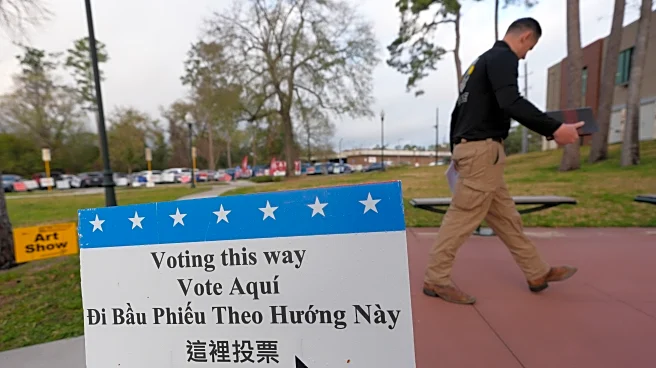
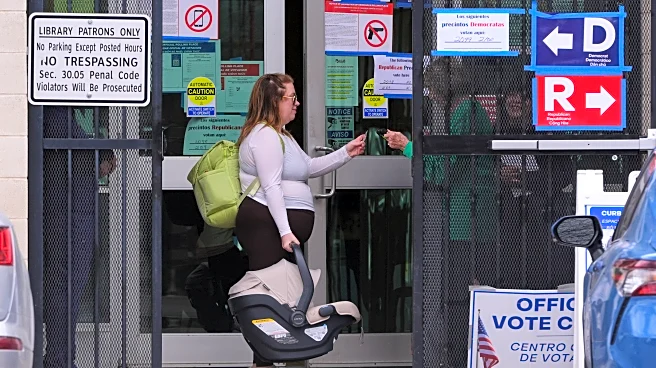
Texas voters participated in primary elections to select party nominees for several high-profile positions, including the U.S. Senate, Texas Attorney General, and various congressional seats. The Republican primary for the U.S. Senate is particularly
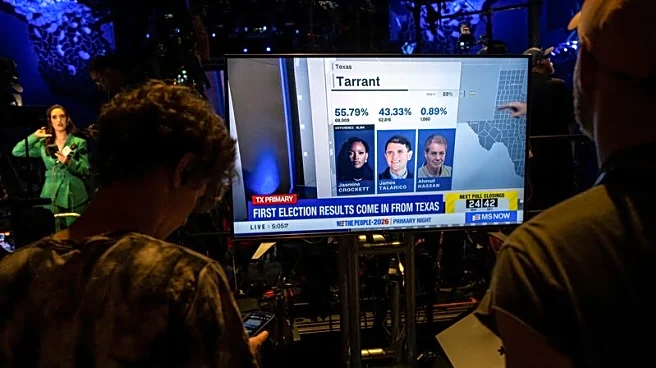
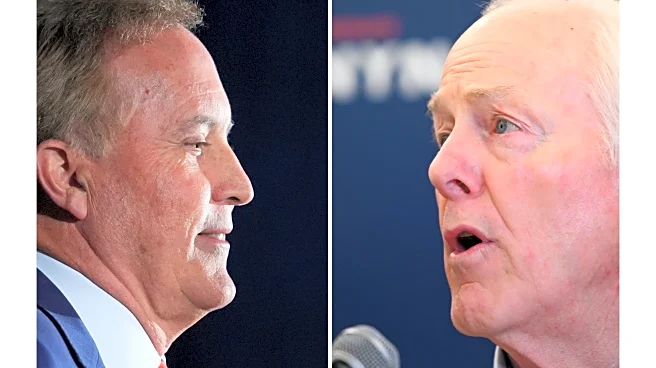
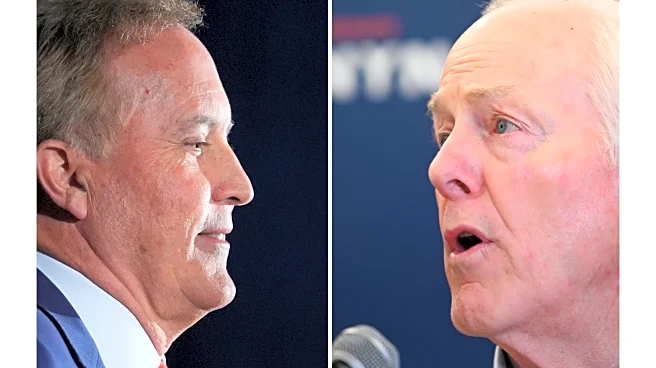
competitive, with incumbent Sen. John Cornyn facing challenges from Texas Attorney General Ken Paxton and U.S. Rep. Wesley Hunt. On the Democratic side, Rep. Jasmine Crockett and state Rep. James Talarico are vying for the nomination to challenge Cornyn. The elections also include races for every House seat in Texas, both state and federal, as well as numerous county positions.
Why It's Important?
The outcomes of these primaries will shape the political landscape in Texas, influencing both state and national politics. The Republican primary for the Senate is crucial as it could determine the party's strategy and candidate strength in the upcoming general election. Similarly, the Democratic primary will decide who will challenge the Republican nominee, potentially impacting the balance of power in the Senate. These elections also reflect broader political trends and voter sentiments in Texas, a state with significant influence in national politics.
What's Next?
As the primary results are finalized, candidates will prepare for the general election in November. The possibility of runoffs in closely contested races, such as the Republican Senate primary, could extend the election process. Political parties and candidates will likely intensify their campaigns, focusing on key issues to sway undecided voters. The results will also prompt analysis of voter turnout and demographic shifts, providing insights into future electoral strategies.