







What's Happening?
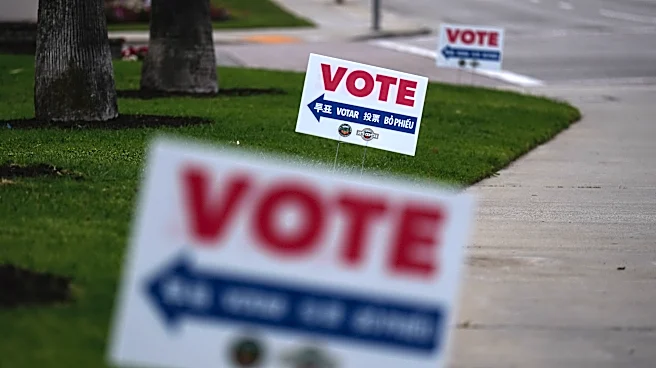
The Florida Legislature has passed a constitutional amendment proposal aimed at providing significant property tax relief to homeowners. The amendment, backed by Governor Ron DeSantis, will be on the November 2026 ballot. It proposes increasing the homestead
exemption from $50,000 to $150,000 in 2027, and then to $250,000 in 2028. This change could potentially eliminate non-school property taxes for many homeowners. However, the amendment includes a stipulation that only residents who establish primary residency in Florida by December 31, 2026, will be eligible for the full exemption when it takes effect. New residents after this date will have to wait four years to qualify. The amendment also reduces the annual assessment increase cap on non-homestead properties from 10% to 5%, excluding school board taxes.
Why It's Important?
This proposed amendment is significant as it addresses the ongoing issue of housing affordability in Florida, a state that has seen a surge in population due to its favorable tax policies and climate. By potentially eliminating non-school property taxes, the amendment could provide substantial financial relief to existing homeowners, making Florida an even more attractive destination for those fleeing higher-tax states. However, the proposal raises concerns about how local governments will offset the reduction in tax revenue, which is crucial for funding essential services like police, fire rescue, and infrastructure. The amendment's success could set a precedent for other states considering similar tax relief measures.
What's Next?
If approved by voters in November 2026, the amendment will take effect in 2027. Local governments will need to strategize on managing reduced tax revenues while maintaining essential services. The proposal's impact on the real estate market could be significant, potentially increasing demand for Florida properties as more people seek to establish residency before the 2026 deadline. Lawmakers will need to address public concerns about the sustainability of such tax cuts and ensure transparency in how reduced revenues will affect public services.