
What's Happening?
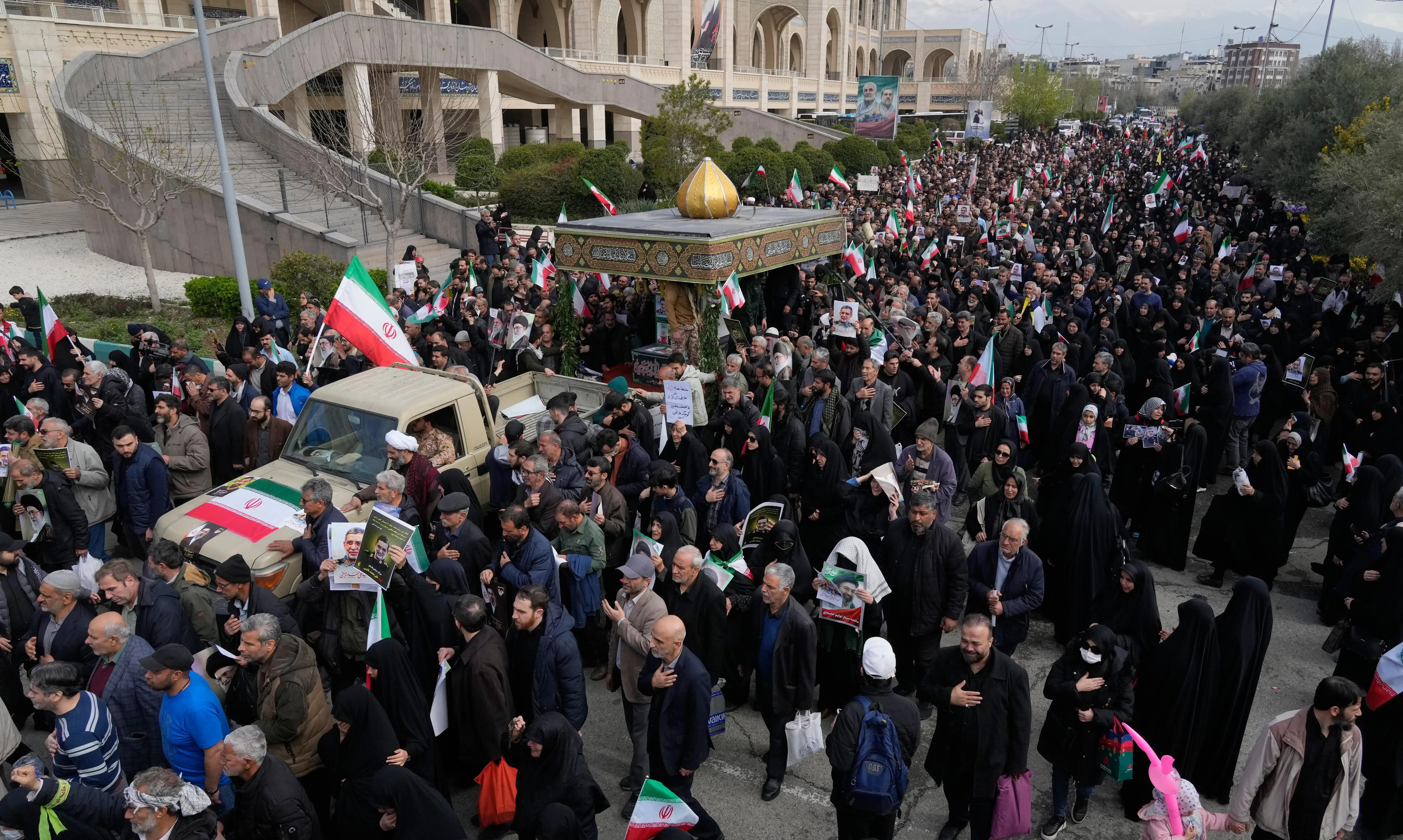
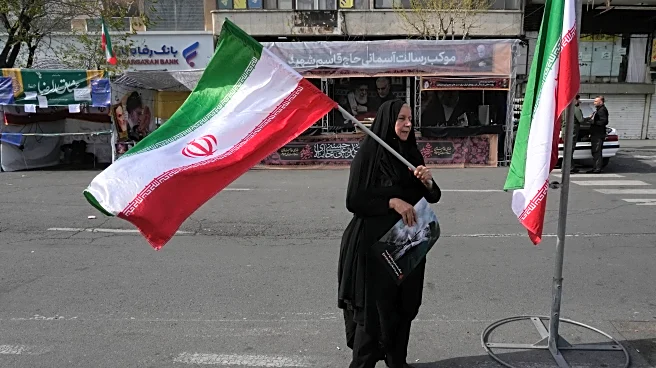
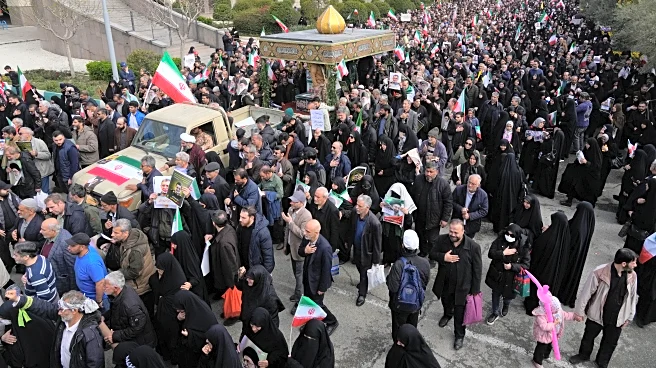
President Trump has issued a 48-hour ultimatum to Iran, demanding the reopening of the Strait of Hormuz or facing U.S. military strikes on its power plants. This announcement has heightened geopolitical tensions and caused volatility in global markets.
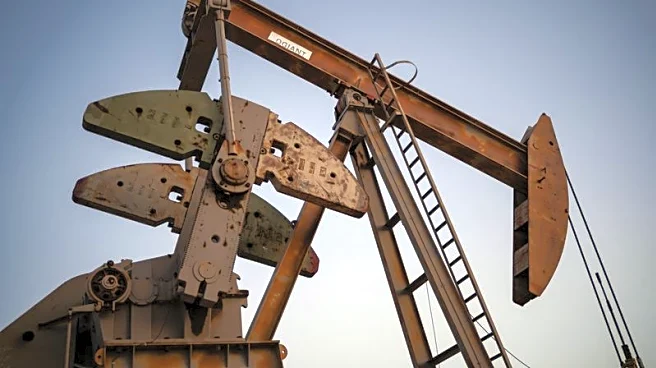
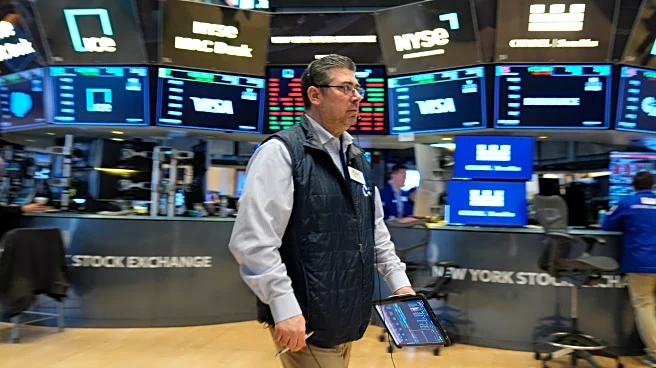
The Strait of Hormuz is a critical chokepoint for global oil shipments, and its closure by Iran has led to significant disruptions. In response, Iran has threatened to target energy and water infrastructure in neighboring countries. The situation has led to fluctuations in oil prices, with Brent crude experiencing choppy trading. The potential for prolonged shortages has also impacted futures markets, with prices for September Brent rising. The International Energy Agency has warned of severe global shortages, likening the crisis to the oil shocks of the 1970s. Financial markets are reacting with increased bond yields and pressure on equities, as investors adjust expectations for central bank policies.
Why It's Important?
The escalation between the U.S. and Iran over the Strait of Hormuz has significant implications for global energy markets and economic stability. The strait is a vital passage for a substantial portion of the world's oil exports, and its closure threatens to disrupt global supply chains. The resulting increase in oil prices could lead to higher costs for consumers and businesses, affecting economic growth. Additionally, the geopolitical tensions add uncertainty to financial markets, influencing investment decisions and central bank policies. The situation underscores the interconnectedness of global economies and the potential for regional conflicts to have far-reaching impacts.
What's Next?
As the deadline approaches, the international community is closely monitoring the situation. Potential military action by the U.S. could lead to further escalation, with significant consequences for regional stability. Diplomatic efforts may intensify to prevent conflict and ensure the safe passage of oil shipments. The response from major stakeholders, including energy producers and consumer nations, will be critical in shaping the outcome. The situation also raises questions about the long-term security of global energy supplies and the need for alternative routes and sources.