





What's Happening?
Congressman John Garamendi (CA-08), Ranking Member of the House Armed Services Military Readiness Subcommittee, and Congressman Joe Courtney, Ranking Member of the House Armed Services Seapower and Projection Forces Subcommittee, along with 52 other House Democrats,
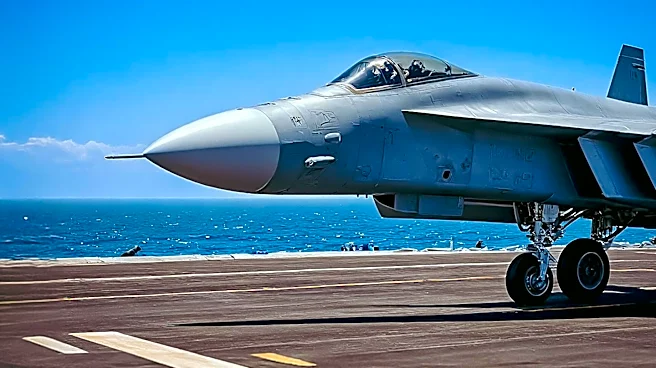
have demanded that Acting Secretary of the Navy Hung Cao address alarming reports concerning living conditions and military readiness aboard the USS Abraham Lincoln (CVN-72). The aircraft carrier has been deployed in a combat zone for over eight months, with its return date repeatedly extended. The lawmakers' letter highlights that the Lincoln reportedly endured 208 consecutive days without a port call, a modern record for a Navy aircraft carrier. Concerns include reports from sailors' families about food shortages, poor living conditions, and multiple instances of sailors attempting to jump overboard. These issues were also raised by family members during an August 6 town hall in San Diego.
Why It's Important?
The concerns raised about the USS Abraham Lincoln are critical for several reasons. Firstly, the extended deployment and reported poor conditions directly impact the morale, mental health, and overall well-being of the sailors, which can have severe consequences for military readiness and retention. Reports of sailors attempting to jump overboard underscore a potential crisis in mental health support within the Navy. Secondly, the situation on the Lincoln, following similar challenges aboard the USS Gerald R. Ford, suggests a systemic issue within the Navy's management of extended carrier deployments, particularly during ongoing conflicts. This raises questions about the sustainability of current deployment strategies and the adequacy of resources allocated to support deployed personnel. The ability of the Navy to maintain its force posture and operational effectiveness is directly tied to the health and readiness of its crews, making these concerns a matter of national security.
What's Next?
The lawmakers have requested specific answers from the Navy regarding the additional resources and mental health protections being provided to sailors on extended deployments. They also seek information on how the Department is addressing replenishment challenges, communicating with sailors' families, and what lessons have been learned from previous deployments like that of the USS Gerald R. Ford. The Navy's response will be crucial in determining the next steps, which could include immediate interventions to improve conditions on the USS Abraham Lincoln, a review of deployment policies, and enhanced support systems for service members and their families. Congress may also consider legislative action to mandate specific changes or increase funding for military welfare and readiness programs. The situation will likely remain under scrutiny by both Congress and the public, especially as the USS George Washington is reportedly expected to relieve the Lincoln.
Beyond the Headlines
The issues on the USS Abraham Lincoln highlight deeper implications regarding the human cost of prolonged military engagements and the strain on military personnel and resources. The reports of deteriorating living conditions and mental health crises among sailors point to a potential disconnect between strategic military objectives and the practical realities faced by those on the front lines. This situation could trigger a broader re-evaluation of military deployment cycles, personnel management, and the allocation of defense budgets to prioritize the well-being of service members. It also brings to light the critical role of military families as advocates and the importance of their concerns in shaping policy. The long-term impact could include reforms in military healthcare, mental health services, and a renewed focus on ensuring that the U.S. Navy can sustain its global operations without compromising the health and readiness of its most valuable asset: its people. The ethical responsibility of the military to its personnel is a central theme in this unfolding situation.