


What's Happening?
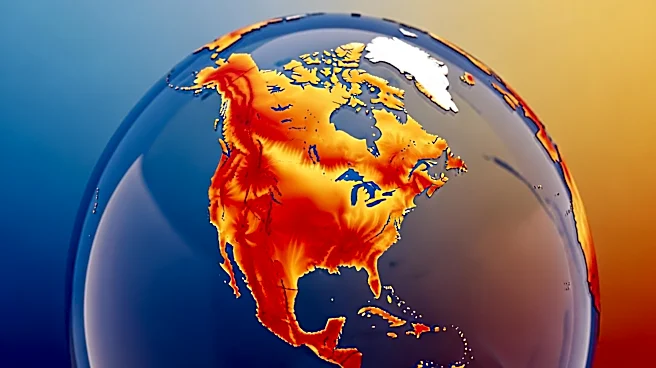
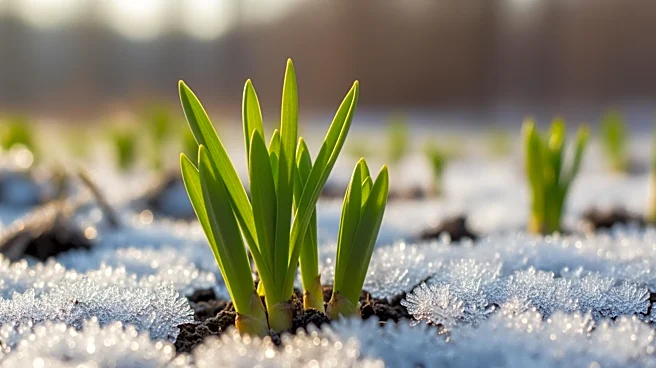
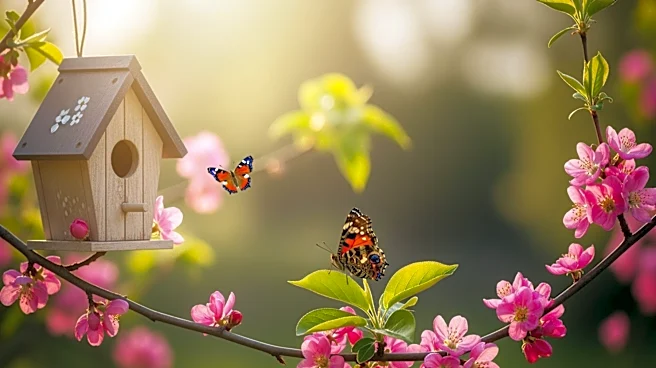
Climate experts have observed that spring is arriving earlier across much of the United States, with significant implications for agriculture and ecosystems. According to Climate Central's analysis, spring now arrives three to five weeks earlier than
the average from 1991 to 2020 in the central U.S., and two to three weeks earlier in the southern Midwest. This shift is attributed to various climate controls such as latitude, elevation, and proximity to bodies of water. The early arrival of spring can lead to increased pollen production, affecting those with allergies, and can disrupt migratory patterns of birds, potentially causing ecological mismatches. Additionally, the agriculture industry faces risks from potential hard freezes following early leaf-out, which could result in significant economic losses.
Why It's Important?
The earlier arrival of spring poses challenges for the agriculture industry, which is heavily reliant on predictable seasonal patterns. Crops like corn and soybeans could suffer from unexpected frosts, leading to financial losses. The ecological impacts are also significant, as mismatches in timing between migratory birds and their food sources could disrupt ecosystems. This trend underscores the broader impacts of climate change on natural and human systems, highlighting the need for adaptive strategies in agriculture and conservation efforts. The situation calls for urgent action to address the root causes of climate change to mitigate these impacts.
What's Next?
Farmers and communities are likely to continue adapting to these changes through technological innovations and altered farming practices. However, experts emphasize the need for broader systemic changes to address climate change, such as reducing carbon emissions. The agriculture industry may need to invest in more resilient crop varieties and improved forecasting tools to better manage the risks associated with earlier springs. Policymakers and stakeholders will need to collaborate on strategies to support affected industries and ecosystems.