







What's Happening?
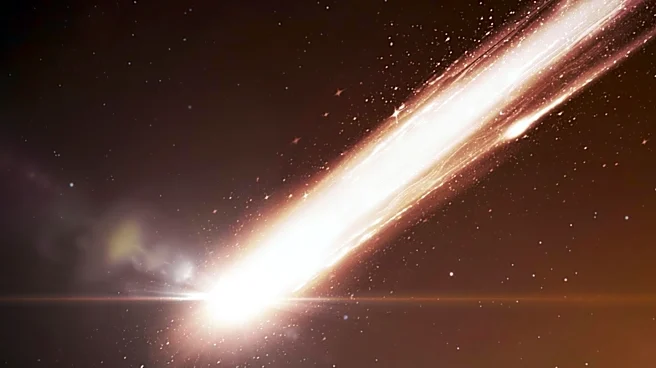
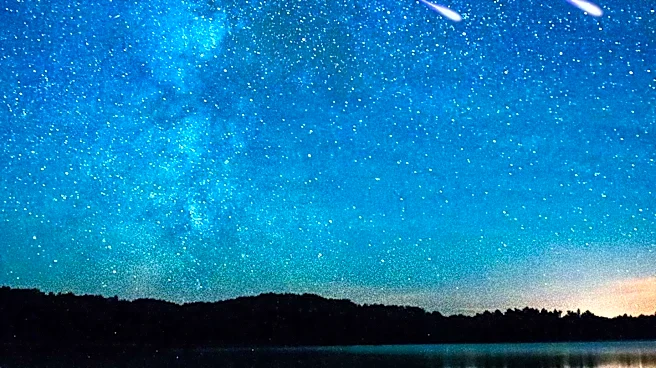
NASA is celebrating the start of summer stargazing with Meteor Watch Day and Asteroid Day on June 30. These events coincide with the Southern Delta Aquariids and alpha Capricornids meteor showers in July, and the Perseids in August. Meteor Watch Day encourages
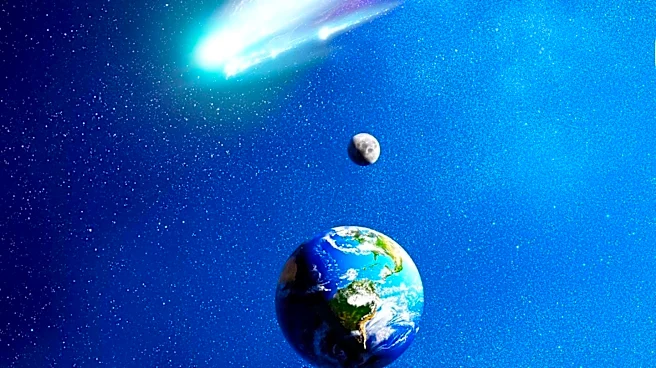
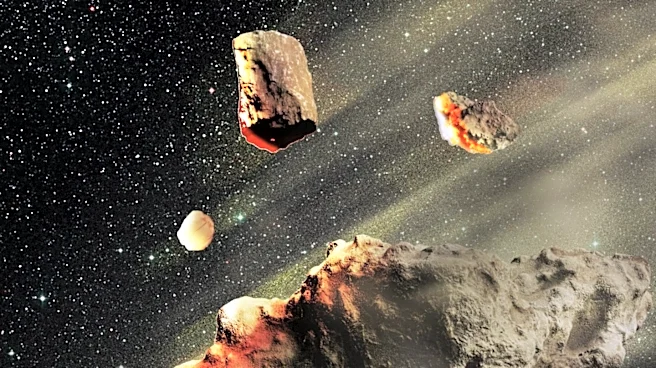
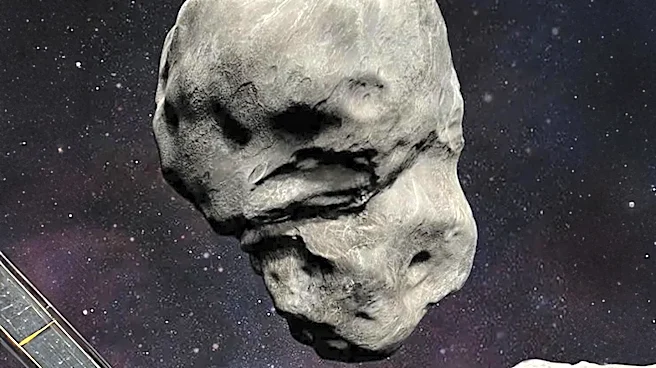
people to enjoy meteor sightings, which are best viewed away from city lights. Asteroid Day raises awareness about the potential hazards of near-Earth objects (NEOs) and the importance of planetary defense. NASA's Meteoroid Environment Office monitors meteoroids to protect spacecraft and astronauts, while the upcoming NEO Surveyor mission aims to enhance detection of hazardous asteroids.
Why It's Important?
Meteor Watch Day and Asteroid Day serve to engage the public in astronomy and raise awareness about the dynamic nature of our solar system. Understanding meteoroids and asteroids is crucial for planetary defense, as even small fragments can pose significant risks to spacecraft and human missions. NASA's efforts to monitor and study these objects are vital for ensuring the safety of space missions and advancing our knowledge of the solar system. The NEO Surveyor mission represents a significant step forward in detecting potentially dangerous asteroids, highlighting NASA's commitment to planetary defense.
What's Next?
The NEO Surveyor mission is scheduled for launch no earlier than fall 2027, aiming to fill gaps in our ability to detect hazardous NEOs. As NASA continues to develop and deploy advanced technologies for monitoring space objects, public engagement through events like Meteor Watch Day and Asteroid Day will likely increase. These initiatives may inspire further interest in space exploration and planetary defense, potentially leading to more collaborative efforts in the field.