
What's Happening?
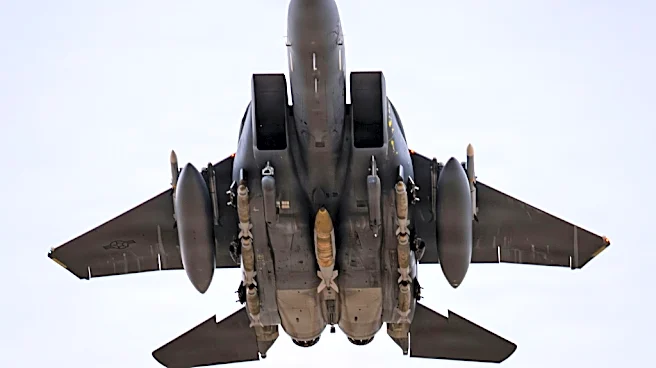
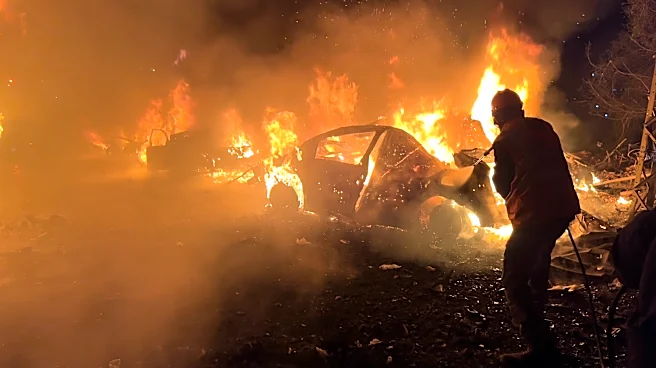
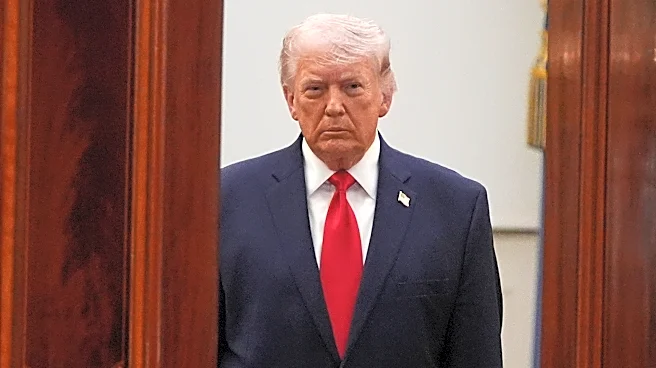
President Donald Trump has stated that the recent downing of a U.S. fighter jet over Iran will not impact ongoing negotiations with Tehran. Despite the incident, which involved U.S. military helicopters
being fired upon during a rescue mission, Trump emphasized that diplomatic efforts remain unaffected. The U.S. is currently engaged in complex search and rescue operations for the jet's navigator, amidst heightened regional tensions. Meanwhile, Iran has rejected participation in talks mediated by Pakistan, citing unacceptable U.S. demands. The situation is further complicated by the U.S. State Department's warning to American citizens to leave Lebanon due to deteriorating security conditions following Israeli airstrikes.
Why It's Important?
The incident underscores the fragile state of U.S.-Iran relations and the broader geopolitical tensions in the Middle East. The refusal of Iran to engage in talks mediated by Pakistan highlights the challenges in achieving a diplomatic resolution. The U.S. military's involvement in the region and the subsequent security warnings to American citizens reflect the potential for further escalation. This situation could impact U.S. foreign policy and military strategy, as well as regional stability, with significant implications for international relations and security dynamics.
What's Next?
The ongoing diplomatic stalemate suggests that further efforts will be needed to bring both parties to the negotiating table. Regional intermediaries, such as Pakistan, may continue to seek alternative venues and proposals to facilitate dialogue. The U.S. may also need to reassess its demands and approach to negotiations to achieve a breakthrough. Additionally, the security situation in Lebanon and the broader region will require close monitoring, with potential implications for U.S. military and diplomatic actions.