





What's Happening?
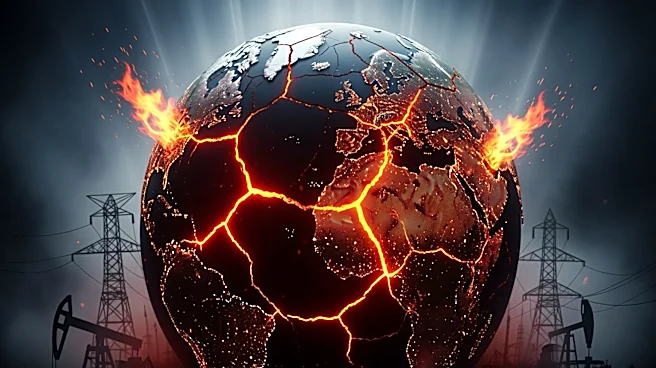
The ongoing conflict in Iran has led to a significant disruption in the global energy market, with over 500 million barrels of crude and condensate removed from circulation. This has prompted countries reliant on Gulf supplies to switch to coal and accelerate
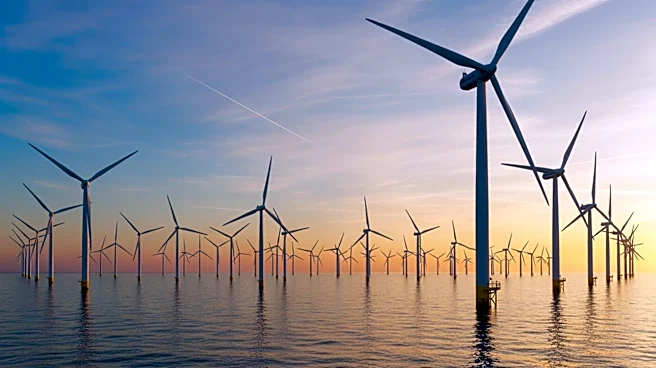
renewable energy adoption. Philip Mshelbila, secretary general of the Gas Exporting Countries Forum, warned that if the conflict persists, these temporary measures could become permanent, altering the global energy landscape. The crisis has also highlighted missed opportunities for African gas producers to fill the supply gap, as North American producers capture European and Asian markets.
Why It's Important?
The disruption in the global gas market due to the Iran conflict has far-reaching implications for energy security and economic stability. Countries dependent on Gulf oil are facing increased energy costs and are being forced to reconsider their energy strategies. The shift towards coal and renewables could have long-term environmental and economic consequences. For African gas producers, the situation presents both a challenge and an opportunity to increase production and capture new markets. The outcome of this conflict will significantly impact global energy dynamics and could reshape the future of energy supply and demand.
What's Next?
The continuation of the Iran conflict could lead to structural changes in the global energy market, with countries permanently altering their energy sources. This may accelerate the transition to renewable energy and increase investments in energy infrastructure. African countries may need to enhance their production capabilities to capitalize on the supply gap. The international community will likely continue to monitor the situation closely, with potential diplomatic efforts to resolve the conflict and stabilize the energy market.