
What's Happening?
Speaker of the House Mike Johnson publicly criticized the National Football League (NFL) for placing games on streaming platforms, claiming that the first game of the 2026 season would be behind a paywall. However, this statement was incorrect, as the Patriots
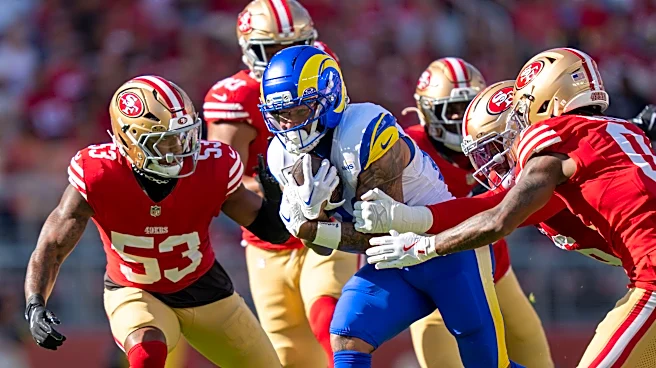
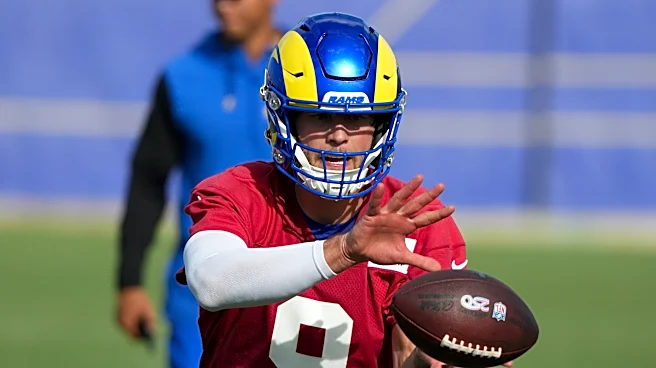
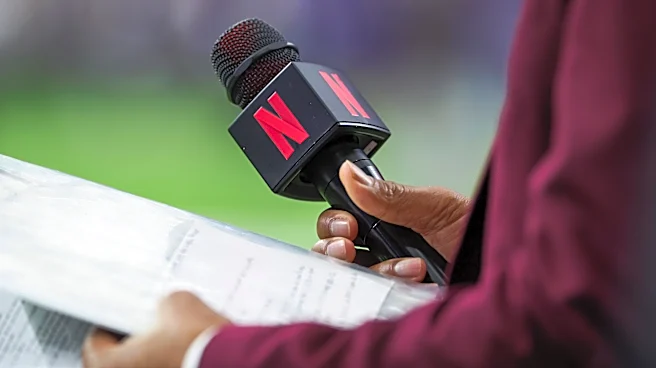
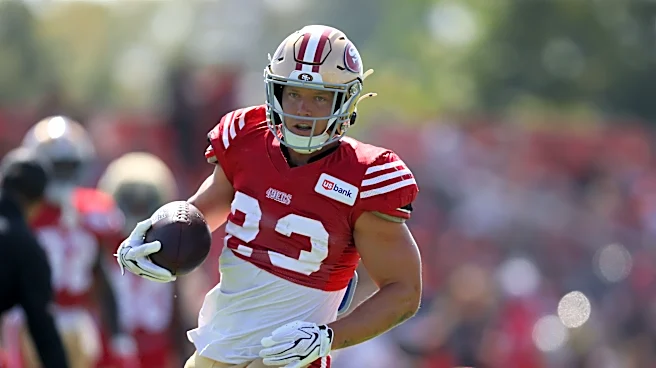
and Seahawks game, which opened the season, aired on NBC and was free for all viewers. Johnson's comments were made in the context of a Republican convention, where he suggested the timing was strategic because the NFL game would be on a streaming service, thus ensuring more eyes on the convention. While the first game was free, the second game of the season, featuring the 49ers and Rams, is scheduled to air on Netflix as part of the league's Australia game.
Why It's Important?
This incident highlights the intersection of sports, politics, and media consumption in the U.S. Political figures, including President Trump, have previously voiced concerns about the NFL's move towards streaming, arguing it makes games inaccessible to many fans. Speaker Johnson's misstatement, while seemingly minor, underscores the importance of factual accuracy when public figures comment on widely followed cultural events like the NFL season. Such inaccuracies can lead to public confusion and potentially undermine the credibility of political statements. The ongoing shift of sports content to streaming platforms is a significant trend impacting how Americans access entertainment, and it continues to be a point of discussion among fans, media companies, and now, political leaders.
What's Next?
While there are no immediate direct consequences for Speaker Johnson's misstatement, it serves as a reminder for public figures to verify information before making public pronouncements, especially on topics that resonate with a broad audience. The NFL will likely continue its strategy of diversifying its broadcast and streaming partnerships, which could lead to further discussions and potential criticisms from various stakeholders, including politicians and fan groups. The broader trend of sports content moving to streaming services is expected to continue, prompting ongoing debates about accessibility, cost, and the future of sports viewership in the U.S.
Beyond the Headlines
This event touches upon the evolving landscape of media consumption and the challenges it presents for both consumers and public discourse. As traditional broadcast models give way to fragmented streaming services, the public's access to popular content, including sports, becomes more complex. This shift can create a digital divide, where access is contingent on subscriptions and internet availability, potentially alienating segments of the population. For political figures, understanding these changes is crucial, as their comments can influence public perception and policy discussions around media accessibility and the role of technology in daily life. The incident also subtly reflects the broader political strategy of leveraging popular culture events to draw attention to political agendas, even if it involves misrepresenting details.