





What's Happening?
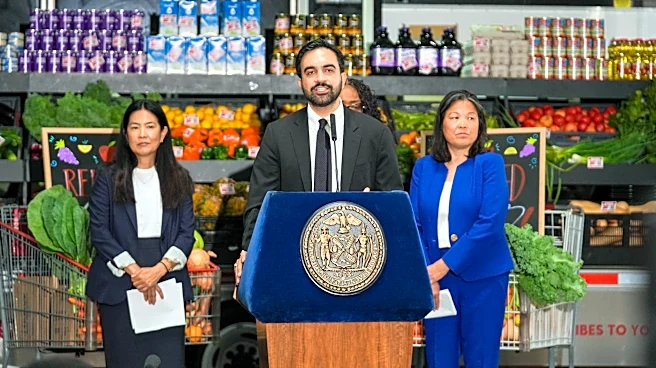
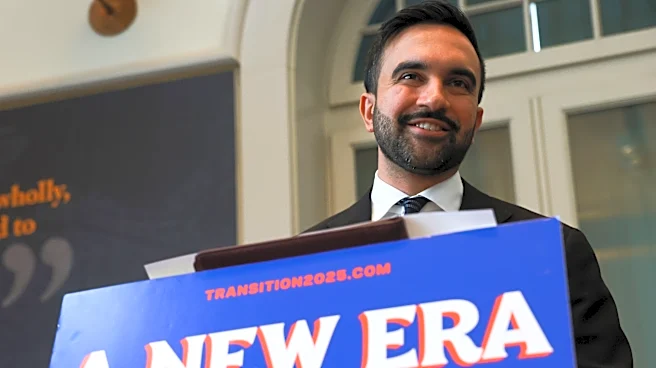
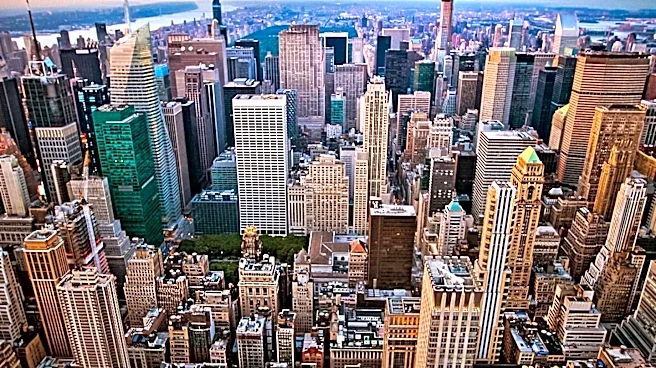
Mayor Zohran Mamdani's initiative to establish government-run supermarkets across New York City's five boroughs is facing scrutiny due to its projected $70 million cost. Critics argue that the funds could alternatively provide over one million Costco
memberships to New Yorkers. The plan aims to offer select items at a 30% discount, but questions remain about its implementation and impact on private businesses. The first two locations have been announced, with the initial store set to open in the South Bronx by 2027. Critics, including City Council members, have expressed concerns about the feasibility and economic implications of the plan, drawing comparisons to state-controlled markets in other countries.
Why It's Important?
The proposed city-run grocery stores represent a significant public investment aimed at reducing food costs for residents. However, the plan's financial viability and potential impact on existing businesses are contentious issues. If successful, the initiative could provide a model for addressing food affordability in urban areas. Conversely, if it fails, it could lead to wasted taxpayer funds and disrupt local economies. The debate highlights broader discussions about government intervention in markets and the balance between public and private sector roles in addressing economic challenges.
What's Next?
As the plan progresses, further details about its implementation and funding will be crucial. Stakeholders, including city officials, business owners, and residents, will likely engage in discussions to address concerns and refine the proposal. The success of the initiative will depend on effective management and the ability to deliver promised savings to consumers. Monitoring the plan's development and its impact on local economies will be essential for assessing its long-term viability and potential replication in other cities.