


What's Happening?
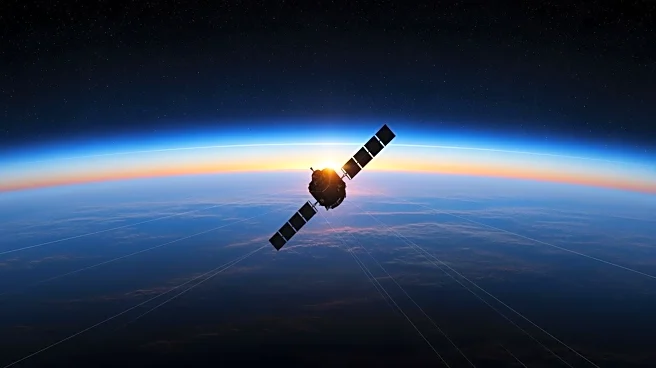
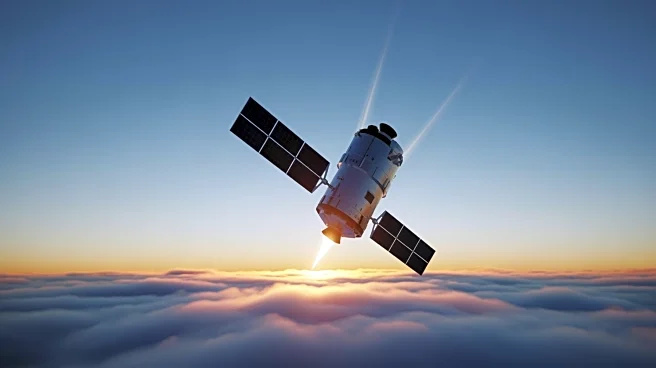
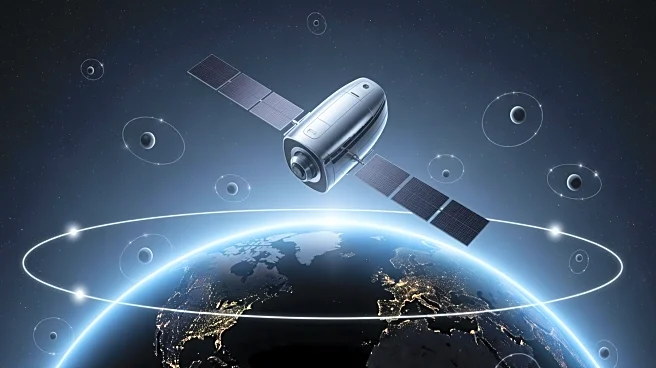
NASA's Van Allen Probe A, a 1,323-pound satellite launched in 2012 to study Earth's radiation belts, is expected to reenter Earth's atmosphere on March 10, 2026. The satellite, which was deactivated in 2019, has been in orbit for nearly 14 years. NASA anticipates
that most of the spacecraft will burn up upon reentry, with a low risk of debris causing harm to humans. The U.S. Space Force has predicted the reentry time with a 24-hour margin of error, and any surviving debris is likely to fall into the ocean, given that 70% of Earth's surface is water.
Why It's Important?
The reentry of the Van Allen Probe A highlights the challenges of managing space debris and the importance of tracking and predicting the reentry of defunct satellites. While the risk to human life is minimal, the event underscores the need for continued advancements in space debris mitigation and management. The data collected by the Van Allen Probes has been crucial in understanding space weather and its effects on satellites, astronauts, and Earth-based systems, contributing to improved forecasts and safety measures.
What's Next?
As the reentry of Van Allen Probe A is monitored, NASA and other space agencies will continue to refine their models for predicting satellite reentry and managing space debris. The lessons learned from this event may inform future satellite design and end-of-life planning to minimize risks associated with uncontrolled reentries. Additionally, ongoing research into space weather will benefit from the archived data collected by the Van Allen Probes, supporting efforts to protect space infrastructure and human activities in space.