
What's Happening?
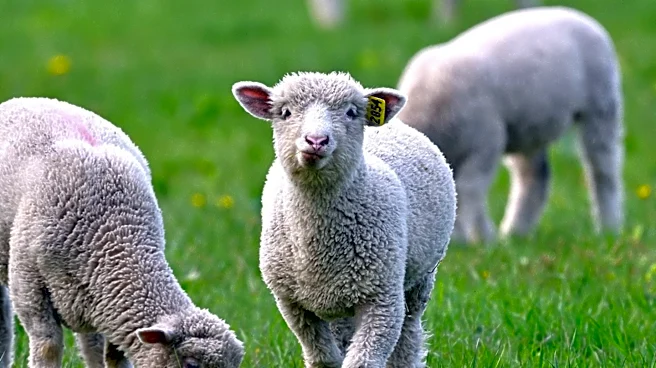
The Ohio State University's Multispecies Animal Learning Complex (MALC) is providing students with hands-on experience in animal agriculture directly on campus. Located at CFAES’ Waterman Agricultural and Natural Resources Laboratory, the MALC allows
students to move from theoretical classroom learning to practical application, caring for livestock such as newborn lambs and ewes. Gemma Dotts, a third-year animal sciences student, highlights the direct applicability of this experience to her aspiring career as a food-animal veterinarian. The complex, which held its ribbon-cutting in January and began housing animals this fall, integrates classrooms, teaching spaces, and multiple livestock species. Courses offered include animal handling, equine studies, poultry evaluation, and dairy, swine, and small ruminant production. Students also engage in research projects and learn about advanced agricultural technologies like robotic milking, automated feeding, and manure management systems, which are increasingly common in modern livestock production.
Why It's Important?
The MALC addresses a critical need for practical, hands-on education in animal science, particularly for students in urban settings who may lack direct exposure to livestock. This initiative by Ohio State University is significant for the U.S. agricultural sector, which faces labor shortages and the need for increased efficiency while maintaining animal well-being. By providing students with experience in modern agricultural technologies and biosecurity protocols, the MALC is preparing a new generation of professionals for careers in veterinary medicine, animal nutrition, food processing, equipment technology, and agricultural regulatory agencies. The facility's ability to foster critical thinking, animal observation competencies, and data interpretation skills is crucial for navigating the complexities of contemporary livestock industries. Furthermore, the MALC's partnerships with other educational institutions and industry organizations underscore its role in strengthening the broader agricultural community.
What's Next?
The MALC is expected to continue expanding its educational and research offerings, providing more opportunities for students to develop essential skills for the future of animal agriculture. The complex will likely serve as a model for other universities seeking to integrate advanced technology and practical experience into their animal science programs. Beyond undergraduate instruction, the MALC supports collaborations with Columbus State Community College, Ohio State’s College of Veterinary Medicine, industry organizations, and community groups. It also aims to educate K-12 students and other visitors about animal agriculture, food production, and the technologies shaping the industry. This outreach will help foster a greater understanding of modern farming practices and potentially inspire future generations to pursue careers in agriculture, addressing the ongoing need for skilled professionals in the sector.
Beyond the Headlines
The establishment of the MALC reflects a broader trend in agricultural education to bridge the gap between academic theory and practical application, especially in an era where fewer students come from farming backgrounds. By bringing livestock and advanced agricultural technologies directly to an urban campus, Ohio State is making animal science accessible and relevant to a diverse student body. This approach not only enhances student learning but also challenges traditional perceptions of agriculture, showcasing it as a high-tech, science-driven field. The emphasis on biosecurity and animal well-being within the curriculum highlights the evolving ethical considerations and professional responsibilities in modern livestock management. The MALC's role in community engagement and K-12 education also points to its potential to shape public understanding and support for sustainable food production systems.