




What's Happening?
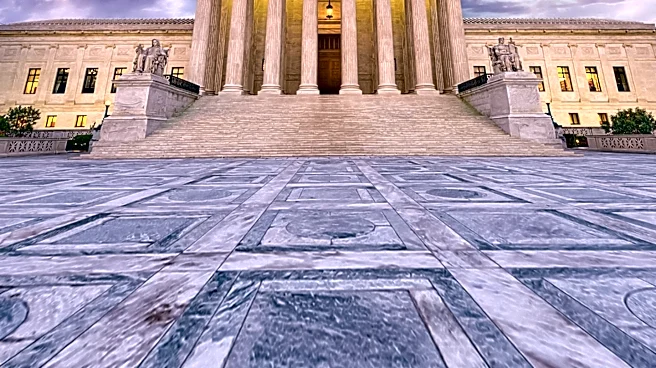
The U.S. Supreme Court has issued a decision in the case of Exxon Mobil Corp. v. Corporación CIMEX, S.A., which addresses the issue of sovereign immunity in relation to the Helms-Burton Act. The court ruled that the Act abrogates the sovereign immunity of Cuban
agencies and instrumentalities, allowing U.S. nationals to seek redress for property confiscated by the Cuban government. This decision marks a significant shift in how claims against foreign states are handled, particularly in cases involving property expropriated by the Cuban regime following the 1959 revolution. The ruling clarifies that Congress intended to provide a meaningful remedy for U.S. nationals affected by these expropriations.
Why It's Important?
This Supreme Court decision has broad implications for U.S. nationals seeking compensation for property confiscated by foreign governments. By removing the shield of sovereign immunity for Cuban state instrumentalities, the ruling facilitates legal action against entities that have profited from expropriated properties. This could lead to an increase in lawsuits under the Helms-Burton Act, potentially resulting in significant financial liabilities for Cuban state-owned entities. The decision also underscores the U.S. government's commitment to protecting the property rights of its citizens abroad, which may influence future diplomatic and economic relations with Cuba.
What's Next?
Following the Supreme Court's decision, there may be a surge in legal actions against Cuban state-owned entities by U.S. nationals seeking compensation for confiscated properties. This could lead to complex legal battles and potentially significant financial settlements. The ruling may also prompt other countries to reassess their sovereign immunity laws and how they interact with international property claims. Additionally, the decision could impact U.S.-Cuba relations, as it highlights ongoing tensions over property rights and economic policies. Stakeholders, including legal experts and policymakers, will likely continue to analyze the implications of this ruling for international law and bilateral relations.