






What's Happening?
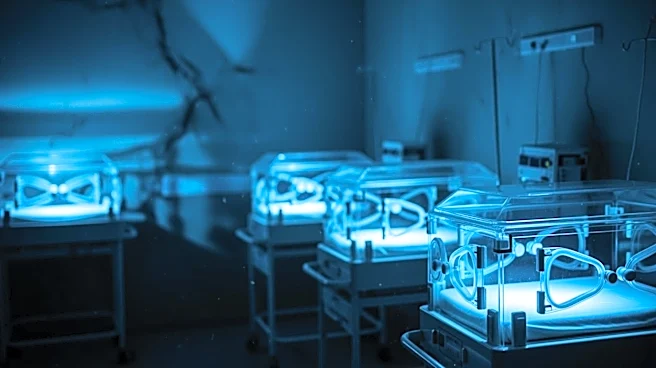
In Ukraine, the ongoing conflict with Russia has led to a significant increase in premature births, particularly in regions near the front lines. The city of Zaporizhzhia, among others, has seen a rise in babies born before 37 weeks of pregnancy. This
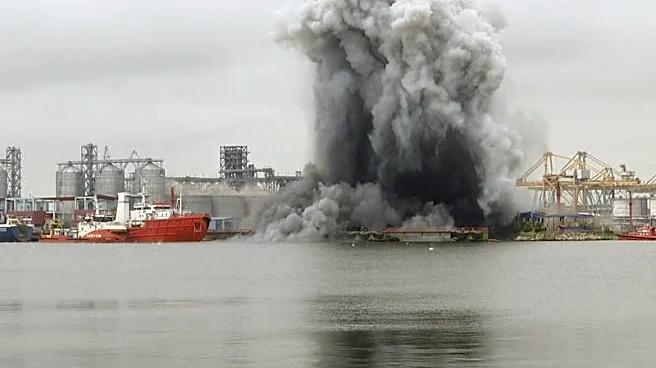
increase is attributed to the profound psychological and physical stress experienced by pregnant mothers due to the war. Hospitals in these areas are under constant threat, with windows boarded up to protect against blast waves from Russian strikes. The situation is exacerbated by the need for mothers to care for their premature infants in challenging conditions, often without the support of their partners who are fighting in the war.
Why It's Important?
The rise in premature births in Ukraine highlights the severe impact of the ongoing conflict on public health and maternal care. Premature births require extensive medical care, which is challenging to provide in war-torn regions. This situation places a significant burden on Ukraine's healthcare system, already strained by the conflict. The increase in premature births could have long-term demographic implications, as Ukraine's fertility rate has dropped significantly. The stress-induced complications during pregnancy could further exacerbate the country's demographic crisis, affecting future population growth and economic stability.
What's Next?
As the conflict continues, the healthcare system in Ukraine will need to adapt to the increasing demands of caring for premature infants. International aid and support may be necessary to provide the resources and medical supplies needed to manage this crisis. The ongoing war poses a continuous threat to the safety and well-being of mothers and infants, necessitating urgent attention from global health organizations and humanitarian groups. The situation calls for a coordinated effort to address the immediate healthcare needs and to plan for long-term recovery and support for affected families.
Beyond the Headlines
The increase in premature births in Ukraine due to the conflict underscores the broader humanitarian crisis affecting the country. It highlights the intersection of war and public health, where the psychological and physical toll of conflict extends beyond immediate casualties to affect vulnerable populations, such as pregnant women and newborns. This situation raises ethical questions about the protection of civilians in conflict zones and the responsibility of the international community to intervene and provide support. The long-term implications for Ukraine's population dynamics and healthcare infrastructure are profound, requiring sustained attention and action.