




What's Happening?
The International Telecommunication Union (ITU) and the World Meteorological Organization (WMO) are jointly advocating for the protection of radio spectrum frequencies crucial for meteorological systems. They have released a new handbook, 'Use of Radio
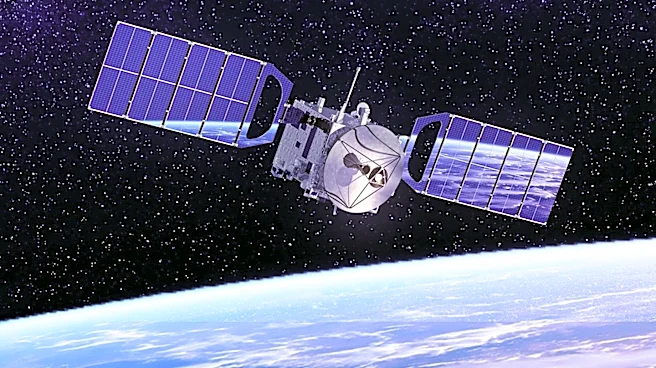
Spectrum for Meteorology: Weather, Climate, Water and Related Environmental Applications,' to guide governments, regulators, and meteorologists on safeguarding these essential frequencies. The organizations warn that disruptions to this spectrum can compromise the accuracy and reliability of information used for emergency alerts, climate monitoring, and water management. The handbook details how radio spectrum supports these services and outlines the necessary measures to protect it amidst increasing demand for wireless connectivity and satellite services. This initiative was highlighted at the Global ITU-WMO Seminar on Spectrum Use for Meteorology in Geneva, where experts are reviewing international spectrum decisions relevant to Earth observation services.
Why It's Important?
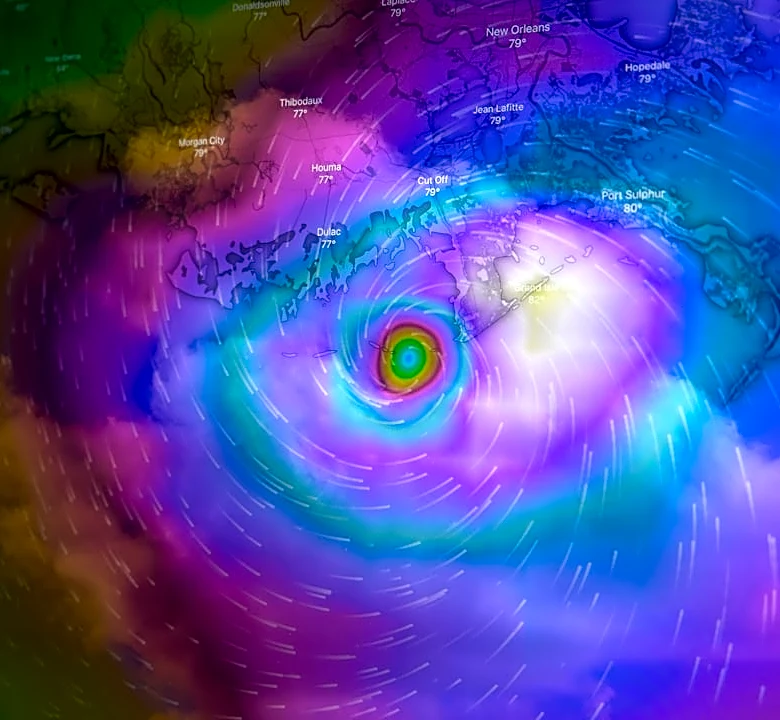
The protection of radio spectrum is vital for U.S. public safety and environmental resilience. Accurate weather forecasts and timely emergency warnings, which rely heavily on these frequencies, are critical for mitigating the impact of natural disasters and protecting lives and property across the nation. Interference with these frequencies can lead to less accurate data, potentially delaying or compromising warnings for events like hurricanes, floods, and severe storms. This directly affects communities' ability to prepare and respond, increasing risks and economic losses. Furthermore, reliable climate monitoring, supported by consistent spectrum access, is essential for long-term environmental planning and understanding climate patterns that influence U.S. agriculture, infrastructure, and resource management. The increasing demand for wireless communications and satellite services puts pressure on spectrum management, making coordinated international efforts, as advocated by ITU and WMO, crucial for maintaining the integrity of these life-saving systems.
What's Next?
The ITU and WMO's call for spectrum protection will likely lead to increased discussions and potential policy adjustments among U.S. regulatory bodies, such as the Federal Communications Commission (FCC), and meteorological agencies like the National Weather Service (NWS). The new handbook will serve as a key resource for these entities in making informed spectrum-management decisions. Experts at the Global ITU-WMO Seminar are reviewing recent and upcoming international spectrum decisions, which could influence future U.S. domestic regulations and international agreements regarding frequency allocation. The ongoing dialogue aims to foster closer cooperation between environmental observation communities and those managing radio frequencies, ensuring that essential observations remain reliable. This could involve developing new strategies for spectrum sharing, implementing stricter interference prevention measures, and investing in technologies that enhance the resilience of meteorological systems.
Beyond the Headlines
The issue of radio spectrum protection extends beyond immediate weather forecasting to encompass broader implications for national security and economic stability in the U.S. The reliance on precise environmental data for various sectors, including aviation, maritime operations, and agriculture, means that any compromise in spectrum integrity could have cascading effects. Ethically, ensuring interference-free spectrum is a matter of public safety, as it directly impacts the ability to protect citizens from environmental hazards. Legally, international agreements and domestic regulations governing spectrum use will need to adapt to the growing demands of wireless technologies while safeguarding critical meteorological functions. The long-term shift towards a more connected world necessitates a delicate balance between technological advancement and the preservation of essential public services, highlighting the need for proactive and collaborative approaches to spectrum management to prevent future crises.