
What's Happening?
Iran has announced the cessation of its military operations against Israel, while warning of potential severe retaliation if Israel resumes its strikes on Lebanon. This development follows a U.S.-brokered
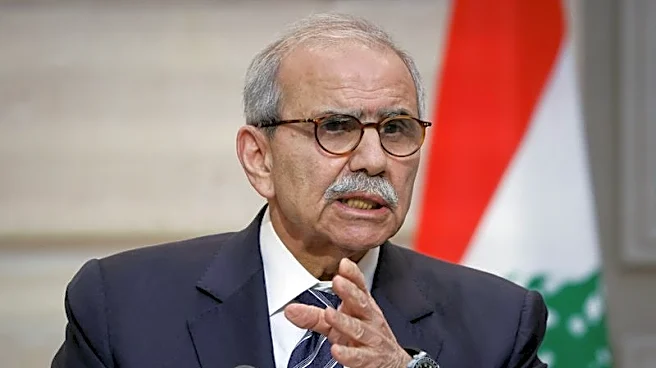
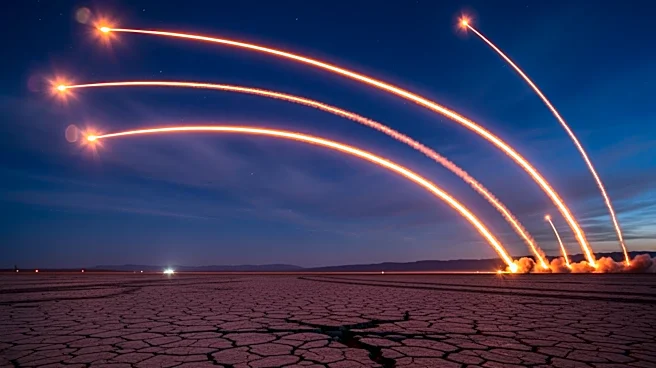
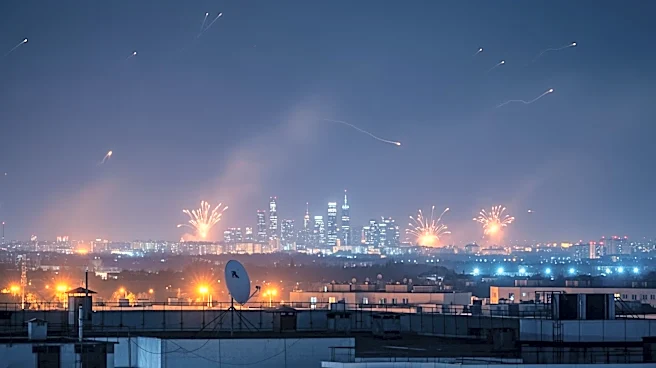
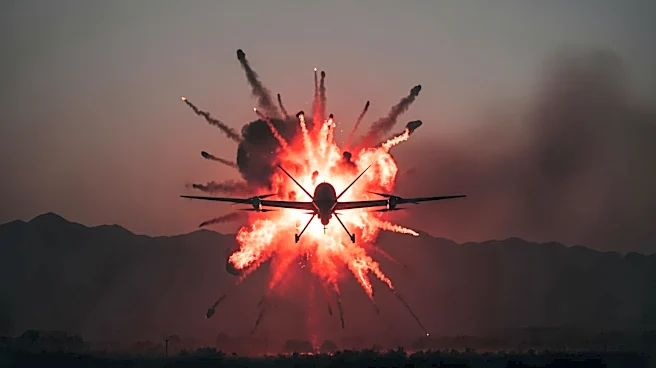
ceasefire that took effect in April 2026. Despite the ceasefire, hostilities have persisted, with Israel conducting numerous airstrikes in Lebanon, targeting Hezbollah positions. Lebanese Prime Minister Nawaf Salam reported that Israel has executed nearly 3,500 airstrikes since the ceasefire began. Meanwhile, Iran has expressed readiness for a prolonged conflict with Israel and potential strikes on U.S. interests, as reported by the IRGC-linked Tasnim news agency. The situation remains tense, with both sides poised for further escalation.
Why It's Important?
The ongoing conflict between Israel and Iran, despite a ceasefire, underscores the fragile nature of peace efforts in the Middle East. The continuation of hostilities poses significant risks to regional stability and could potentially draw in other nations, escalating into a broader conflict. The involvement of the U.S. as a mediator highlights the geopolitical stakes, with American interests potentially at risk if the conflict intensifies. The situation also affects global oil markets, given Iran's strategic position near the Strait of Hormuz, a critical chokepoint for oil shipments. The persistent tensions could lead to disruptions in oil supply, impacting global energy prices and economic stability.
What's Next?
The future of the ceasefire remains uncertain, with both Israel and Iran issuing warnings of further military actions. Diplomatic efforts, particularly by the U.S., are likely to continue in an attempt to solidify a more lasting peace agreement. However, the deep-seated mistrust between the parties, as evidenced by Iran's skepticism towards U.S. mediation, complicates these efforts. The international community, including the European Union, may increase pressure on both nations to adhere to the ceasefire and engage in constructive dialogue. The potential for further escalation remains high, with significant implications for regional and global security.