





What's Happening?
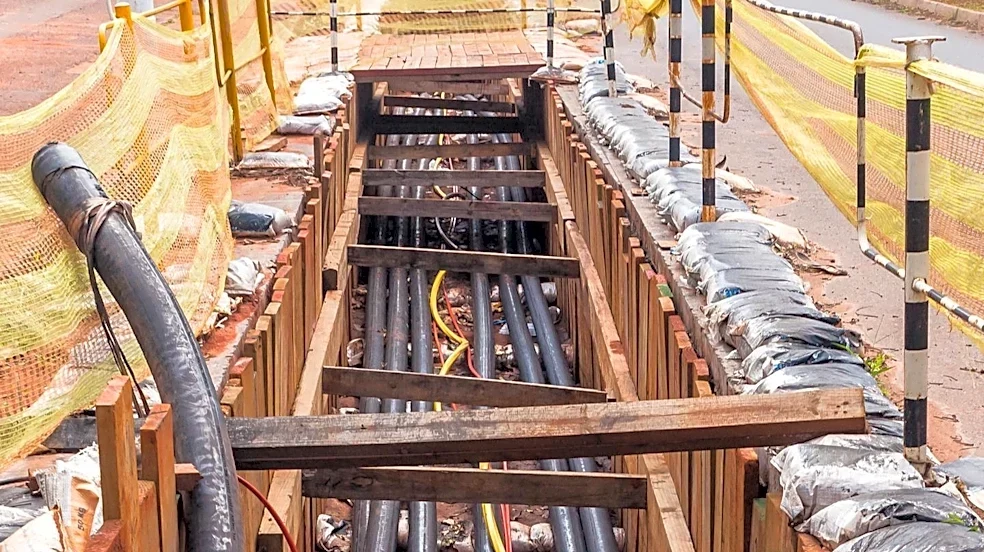
Congressman Brett Guthrie joined local leaders in New Haven, Kentucky, to announce $675,000 in federal funding designated for the replacement of aging water lines. This funding will facilitate the replacement of approximately 8,000 feet of old asbestos-cement
pipes with new water lines. The project aims to improve water quality and reduce service interruptions for the community. While about 43 homes are directly along the route of the replacement, officials anticipate that the improvements will benefit the entire New Haven community. This initiative addresses critical infrastructure needs within the small Kentucky community, ensuring a more reliable and safer water supply for its residents.
Why It's Important?
This federal funding is crucial for New Haven, Kentucky, as it directly addresses a significant public health and infrastructure concern: aging water lines. The replacement of asbestos-cement pipes will mitigate potential health risks associated with such materials and enhance the overall quality of drinking water. Furthermore, reducing service interruptions will improve daily life for residents and support local businesses that rely on consistent water access. This investment highlights the federal government's role in supporting local communities with essential infrastructure upgrades, particularly in smaller towns where funding for such large-scale projects might be challenging to secure independently. It underscores a commitment to public welfare and the maintenance of vital services across the U.S.
What's Next?
The $675,000 federal funding will be utilized to commence the replacement of approximately 8,000 feet of water lines in New Haven. The project will involve removing old asbestos-cement pipes and installing new ones, a process expected to improve water quality and reduce service disruptions. Local officials will likely oversee the project's implementation, coordinating with contractors and ensuring adherence to safety and environmental standards. The community can anticipate a period of construction, followed by the long-term benefits of a modernized water infrastructure. This development may also encourage other communities with similar aging infrastructure challenges to seek federal assistance.