
What's Happening?
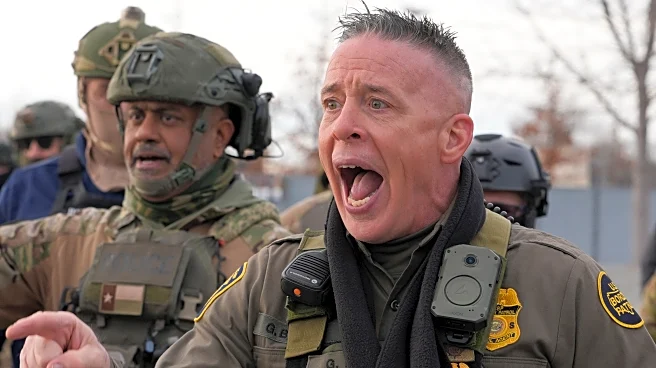
Minnesota Attorney General Keith Ellison is actively opposing the Trump administration's decision to deploy over 3,000 immigration enforcement agents to Minneapolis-St. Paul. Ellison has filed lawsuits
to halt the surge and investigate incidents involving ICE agents, including the fatal shootings of Renee Good and Alex Pretti. Ellison, known for his role in prosecuting former police officer Derek Chauvin in the George Floyd case, sees parallels between these incidents and Floyd's murder. He argues that the federal government's actions are politically motivated, targeting Minnesota due to its Democratic leadership and resistance to Trump's policies. Ellison's efforts have positioned him as a key figure in the resistance against federal immigration enforcement in Minnesota.
Why It's Important?
Ellison's actions underscore the tension between state and federal authorities over immigration enforcement. The deployment of ICE agents has sparked protests and raised concerns about civil rights violations. Ellison's lawsuits aim to protect Minnesota residents from what he views as an overreach by the federal government. This situation highlights the broader national debate on immigration policy and the balance of power between state and federal governments. The outcome of Ellison's legal challenges could set precedents for other states facing similar federal interventions, impacting immigration policy and enforcement practices across the U.S.
What's Next?
Ellison's legal battles against the Trump administration are likely to continue, with potential implications for immigration policy and state-federal relations. The lawsuits may lead to court rulings that define the limits of federal authority in immigration enforcement. Meanwhile, Ellison's decision to focus on his role as attorney general rather than running for governor suggests he will remain a prominent figure in Minnesota's political landscape. The ongoing protests and public discourse around these issues may influence future policy decisions and electoral outcomes in the state.
Beyond the Headlines
Ellison's resistance to the Trump administration's immigration policies reflects broader societal debates on race, justice, and civil rights. His actions resonate with communities affected by systemic inequalities and highlight the role of state officials in advocating for marginalized groups. The situation also raises ethical questions about the use of force by law enforcement and the protection of immigrant communities. As Minnesota grapples with these challenges, the state's response may serve as a model for other regions facing similar issues.