


What's Happening?
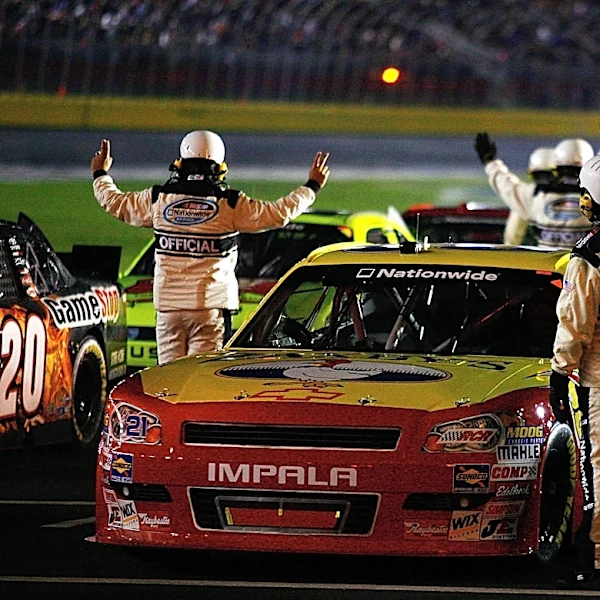
Formula 1 motor racing is set to return to Africa in the early 2030s, with Rwanda securing a ten-year deal to host a championship race. This marks the first time since 1993 that an F1 race will be staged on the continent. The announcement, made by Paul
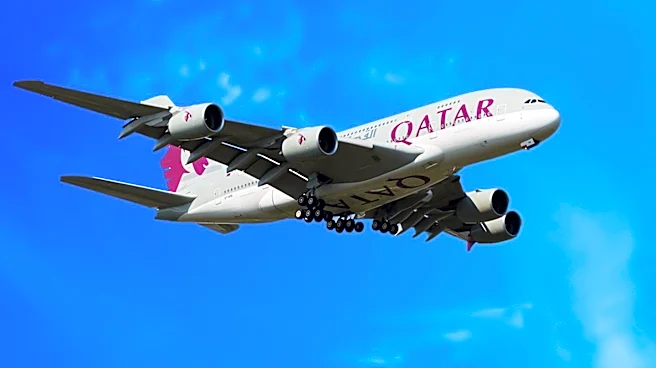
Kagame, President of the Republic of Rwanda, on October 13, 2026, in Kigali, highlights Rwanda's growing investment in sports and its role in Qatari diplomacy in Africa. Qatar is significantly involved, with reports indicating that the proposed Rwandan F1 circuit is being funded by the Qatari government as part of a broader investment program, including the construction of the new Bugesera International Airport near Kigali. The Qatar Investment Authority holds a 60% stake in the airport's construction, and Qatar Airways aims for a 49% stake in Rwandair.
Why It's Important?
This development is significant for several reasons. Economically, hosting an F1 Grand Prix is expected to boost Rwanda's tourism and overall economic growth, aligning with the continent's buoyant economic growth rates and youthful population. For Qatar, this initiative is a strategic move to diversify its gas- and oil-dependent economy and build soft power and influence in Africa. The convergence of motorsport, infrastructure, and air travel represents a diplomatic approach to strengthen Qatar's profile and presence across the continent. Furthermore, Qatar's involvement extends to a peace process in the Virunga region, with the Qatar Investment Authority anchoring a $250 million fund for social and economic transformation in Rwanda, targeting healthcare, education, digital infrastructure, and financial services. This peace initiative is part of the Doha Roadmap, involving Qatar, the United States, and the African Union in security coordination.
What's Next?
The focus will now shift towards the design and construction of the new Formula 1 circuit in Rwanda, with companies like Wurz, Tilke, and DAR, known for their ties to Qatar, involved in the project. The broader Qatari investment program, including the Bugesera International Airport and Qatar Airways' stake in Rwandair, will continue to progress. The F1 race, scheduled for the early 2030s, will serve as a major platform for Rwanda to showcase its development and for Qatar to solidify its diplomatic and economic ties in Africa. The peace initiatives in the Virunga region, supported by the Doha Roadmap, will also continue, aiming to de-escalate conflict and promote stability, with the United States and the African Union as key participants.
Beyond the Headlines
Beyond the immediate economic and diplomatic implications, this F1 deal raises discussions about 'sportswashing,' a term used by critics who point to Rwanda's continued incursions into neighboring DR Congo by armed groups. However, Rwanda remains committed to promoting sport as a driver of domestic economic and social transformation and as a platform for state-to-state diplomacy. Qatar's engagement in Africa is multifaceted, driven by interests in food security and access to raw materials like methane, gold, tin, tungsten, and precious gemstones from Rwanda. This strategic partnership underscores a broader geopolitical competition for influence in Africa, with Saudi Arabia and the United Arab Emirates also actively vying for power. The F1 Grand Prix, therefore, is not merely a sporting event but a complex interplay of economic, political, and diplomatic strategies.