





What's Happening?
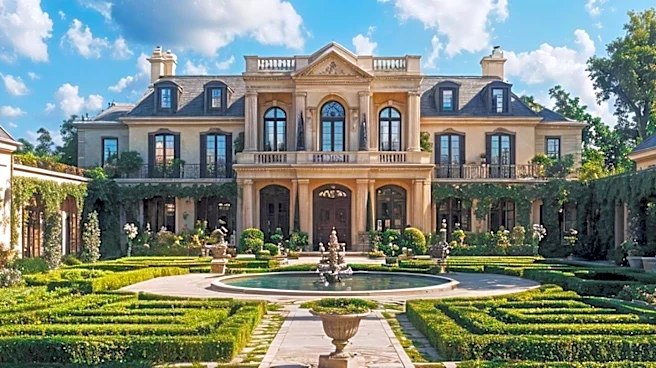
Vizcaya Museum and Gardens, a Mediterranean-inspired mansion located on Biscayne Bay in Coconut Grove, Miami, is open to the public. Originally built between 1914 and 1922 by farm machinery magnate James Deering as a winter retreat, the estate was transformed
into a public museum in 1953. The 45,000-square-foot mansion showcases Deering's collection of artifacts and antiquities, with interiors designed by Paul Chalfin featuring Italian furniture, 18th-century Neapolitan paintings, and architectural elements from Italian estates. The property also includes 50 acres of grounds with Italian Renaissance and formal French gardens, designed by landscape architect Diego Suarez. These gardens feature 18th-century fountains, sculptures, a Venetian bridge, and a stone barge sculpture. The museum offers 34 rooms for exploration with a free audio tour, guided house tours, and specialized group tours focusing on Deering's life or the mansion's construction and design. The historic village on the property, where workers once lived, is being revitalized into a cultural space with workshops, wellness classes, and art exhibits, alongside a farmers market and night market.
Why It's Important?
Vizcaya Museum and Gardens represents a significant piece of American Gilded Age history, showcasing the opulent lifestyles of affluent families in the early 20th century. Its transformation from a private estate to a public museum makes it accessible for educational and cultural enrichment, allowing visitors to experience a unique blend of European architectural and artistic influences within the United States. The preservation of such estates contributes to understanding historical American wealth, architectural trends, and the cultural exchange between the U.S. and Europe. The museum's role in hosting notable figures like President Ronald Reagan, Pope John Paul II, and Queen Elizabeth II underscores its historical and cultural importance. Furthermore, the ongoing revitalization of the historic village and its community events program highlight efforts to integrate historical preservation with contemporary community engagement, offering diverse cultural and recreational opportunities for residents and tourists alike. This blend of history, art, and community makes Vizcaya a vital cultural institution in Florida.
What's Next?
Vizcaya Museum and Gardens continues to operate daily, except Tuesdays, from 9:30 a.m. to 4:30 p.m., offering various tours and access to its mansion and gardens. The revitalization of the historic village is ongoing, with plans to expand its cultural programming, including workshops, wellness classes, and rotating art exhibits. The Vizcaya Village Farmers Market is held on Sundays, and a night market takes place on the second Thursday of every month, providing ongoing community engagement and local commerce opportunities. Visitors can anticipate continued efforts to preserve and enhance the estate's historical and natural elements, ensuring its long-term accessibility and relevance as a cultural landmark. Future developments may include new exhibits, educational programs, and community partnerships to further enrich the visitor experience and expand the museum's reach.
Beyond the Headlines
The existence of estates like Vizcaya Museum and Gardens reflects a broader historical trend in the United States where wealthy industrialists sought to emulate European aristocracy by constructing grand, elaborate homes. This phenomenon, particularly during the Gilded Age, highlights the aspirations and cultural influences shaping American society at the time. The architectural and artistic choices, such as incorporating elements from Italian estates and collecting European antiquities, reveal a desire to establish a sense of old-world grandeur and cultural sophistication in the New World. The transition of Vizcaya from a private residence to a public museum also underscores a significant shift in how such historical assets are valued and utilized, moving from exclusive private ownership to public stewardship for education and cultural heritage. This transformation allows for a democratic appreciation of art, architecture, and history that was once reserved for a select few, fostering a deeper connection between the public and their cultural past.