



What's Happening?
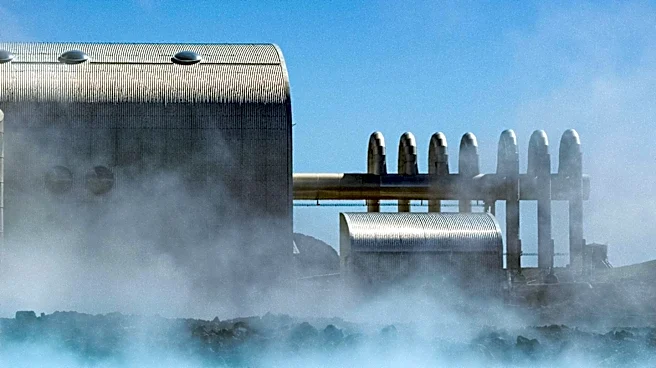
Reykjavik, Iceland, has developed a comprehensive geothermal energy system that heats nearly every home, numerous swimming pools, and even some streets. This renewable heating system, perfected over decades, relies on water that originates as rain and snowmelt.
This water seeps kilometers underground, where it is heated by volcanic rock before returning to the surface. The system is highly efficient, with geothermal energy accounting for approximately 90% of all energy used for home heating in Iceland, and district heating utilities serving 95% of the population. The water used in Reykjavik's low-temperature geothermal system contains very few dissolved solids, primarily due to the basalt rock it passes through being poor in chloride. This characteristic prevents corrosion and scale buildup, allowing the water to be piped directly from wells to radiators without treatment. After heating buildings, the water, still warm at around 30°C, is then circulated through plastic tubing buried under streets and paths to melt snow and ice, reducing the need for plowing and road repairs.
Why It's Important?
Reykjavik's extensive use of geothermal energy serves as a significant model for sustainable urban development and energy independence. This system demonstrates how a city can drastically reduce its reliance on fossil fuels for heating, contributing to lower carbon emissions and improved air quality. The economic benefits include reduced energy costs for residents and municipalities, as well as less infrastructure damage from snow and ice, leading to fewer road repairs. The technology also highlights the potential for other regions with geothermal resources to adopt similar systems, fostering energy security and environmental stewardship. Furthermore, the city's ability to utilize post-heating water for de-icing streets showcases an innovative approach to maximizing energy efficiency and public safety, offering a blueprint for cold-weather cities globally to enhance urban resilience and sustainability.
What's Next?
Iceland is actively working to export its advanced geothermal technology and expertise to other countries. This initiative aims to share the benefits of their perfected renewable heating system globally, particularly as climate change necessitates a shift away from fossil fuels. Research continues into the long-term sustainability of geothermal reservoirs, with studies like those presented at Stanford's geothermal reservoir engineering workshop in 2025 examining the stability of water levels and production temperatures in fields like Laugarnes. While current data suggests stability, ongoing monitoring and research are crucial to ensure the continued viability of these resources. The export of this technology could lead to international collaborations and the development of similar geothermal projects in other nations, potentially accelerating the global transition to renewable energy sources and mitigating the impacts of climate change.
Beyond the Headlines
The success of Reykjavik's geothermal system extends beyond mere energy provision; it represents a profound integration of natural resources into urban living. The faint sulfur smell in hot tap water, a direct result of the geothermal source, is a subtle reminder of this connection. The historical evolution of the system, from early laundry springs to sophisticated district heating, illustrates a long-term commitment to harnessing local resources. This deep integration fosters a unique relationship between the city and its environment, where natural processes directly contribute to daily comfort and infrastructure maintenance. The continuous cooling of rock under swimming pools, while not immediately apparent, signifies the dynamic interaction between human consumption and geological processes, underscoring the need for ongoing scientific understanding and responsible resource management even in seemingly abundant systems.