





What's Happening?
Congressmen Raja Krishnamoorthi (D-IL) and Mike Lawler (R-NY) have reintroduced the bipartisan Animal Welfare Enforcement Improvement Act (AWEIA). This legislation aims to strengthen the enforcement of the Animal Welfare Act by preventing animal dealers
and exhibitors with prior violations of animal protection laws from receiving federal licenses. Currently, individuals or entities can retain federal licenses despite a history of violating animal welfare regulations. The proposed act seeks to close this loophole by prohibiting the U.S. Department of Agriculture (USDA) from issuing licenses to those found to have violated federal, state, or local animal protection laws. Additionally, the bill would enhance inspection protocols, veterinary care requirements, licensing procedures, and overall enforcement mechanisms under the Animal Welfare Act. The Animal Welfare Institute has endorsed this legislation, emphasizing the need for more robust tools to ensure improved treatment for animals and greater accountability for violators.
Why It's Important?
This bipartisan effort is significant because it addresses perceived weaknesses in current animal welfare enforcement, which can lead to continued animal mistreatment. By preventing repeat offenders from obtaining federal licenses, the bill aims to create a more stringent regulatory environment, potentially reducing instances of animal abuse and neglect. The legislation's focus on strengthening inspection and veterinary care requirements could lead to higher standards of animal welfare across licensed facilities. For animal advocacy groups, the passage of this act would represent a victory in their long-standing efforts to secure stronger protections for animals. Conversely, animal dealers and exhibitors with a history of violations would face increased scrutiny and potential loss of their operating licenses, impacting their business models. The bill underscores a growing consensus across political lines regarding the importance of animal protection and accountability.
What's Next?
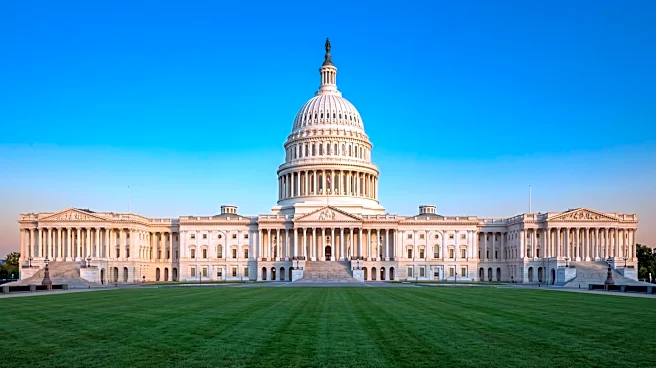
The Animal Welfare Enforcement Improvement Act will now proceed through the legislative process in Congress. Its reintroduction signals a continued push for stronger animal welfare laws. Key next steps will involve committee hearings, potential amendments, and votes in both the House and Senate. Supporters, including the Animal Welfare Institute, will likely lobby for its passage, highlighting the benefits of increased oversight and enforcement. Opponents, if any, may raise concerns about the impact on businesses or the scope of federal intervention. If passed by Congress, the bill would then require presidential assent to become law. Should it be enacted, the USDA would be tasked with implementing the new regulations, which would include revising licensing procedures, inspection protocols, and enforcement actions. The effectiveness of the act would then depend on the USDA's capacity and commitment to rigorous enforcement.
Beyond the Headlines
Beyond its immediate impact on animal welfare, this legislation touches upon broader themes of regulatory effectiveness and corporate accountability. The fact that animal dealers can currently operate despite past violations highlights a systemic issue where existing laws may lack sufficient 'teeth' to deter misconduct. The bill's emphasis on transparency, by requiring the USDA to publish searchable, unredacted inspection and enforcement records online, could empower the public and watchdog organizations to hold facilities accountable. This move towards greater transparency aligns with broader trends in government and corporate governance, where public access to information is increasingly seen as a tool for oversight. The bipartisan nature of the bill also suggests that animal welfare is an issue that can transcend traditional political divides, potentially paving the way for future collaborative efforts on similar social and ethical concerns.