








What's Happening?
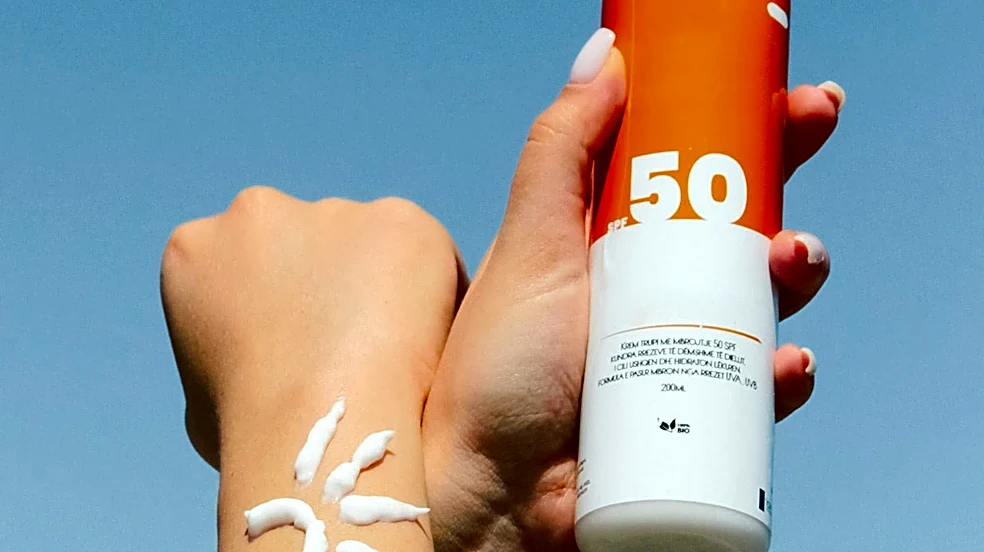
Sun Protection Factor (SPF) 50 sunscreens are highly effective in blocking harmful ultraviolet B (UVB) rays, which are primarily responsible for sunburn. These sunscreens filter out approximately 98% of UVB radiation, offering a significant level of protection.
While SPF 30 sunscreens block about 97% of UVB rays, the additional 1% offered by SPF 50 can be crucial for individuals with fair and sensitive skin, children, or during periods of intense sun exposure, such as in high mountains or tropical climates. Beyond UVB, it is also important to ensure that sunscreen formulas provide protection against UVA rays, which penetrate deeper into the skin and contribute to skin aging and an increased risk of skin cancer. Consistent and generous application is key, with recommendations to reapply sunscreen every two hours, and immediately after swimming, towel-drying, or heavy sweating. Reducing the amount of product applied can drastically lower the actual level of protection received.
Why It's Important?
The emphasis on SPF 50 and consistent sunscreen application is vital for public health, particularly in the U.S., where skin cancer rates remain a significant concern. Prolonged exposure to UV radiation is a primary risk factor for skin cancer, and effective sun protection is a cornerstone of prevention. For outdoor workers, who face extended periods of sun exposure, understanding and utilizing high SPF sunscreens is even more critical to mitigate their elevated risk. The distinction between SPF 30 and SPF 50, though seemingly small, highlights the importance of choosing appropriate protection based on individual skin type and environmental conditions. Furthermore, the recommendation for broad-spectrum protection (UVA/UVB) underscores the need to protect against both immediate sunburn and long-term skin damage, including premature aging and increased cancer risk. This information empowers consumers to make informed decisions about their sun protection habits, contributing to a healthier population and potentially reducing healthcare burdens associated with skin conditions.
What's Next?
Moving forward, continued public health campaigns and educational initiatives will likely focus on reinforcing the importance of consistent and correct sunscreen application, as well as promoting the use of broad-spectrum products. Manufacturers may continue to innovate, developing sunscreens that are more user-friendly, water-resistant, and suitable for various skin types and activities, including those designed for children or for specific outdoor conditions. There may also be an increased focus on integrating sun protection awareness with broader health and wellness trends, encouraging individuals to incorporate sun safety into their daily routines. The development of advanced sun protection analyzers and wearable technology could also play a role in helping individuals monitor their UV exposure in real-time, leading to more personalized and effective sun protection strategies. Regulatory bodies may also continue to review and update guidelines for sunscreen labeling and efficacy to ensure consumers receive accurate and reliable information.
Beyond the Headlines
The discussion around SPF and sun protection extends beyond immediate health benefits to broader societal and economic implications. The rising awareness of skin cancer and the importance of UV protection is driving growth in the sun protection market, influencing product development and marketing strategies. Brands that emphasize eco-conscious manufacturing and sustainable materials may gain a competitive edge as consumer interest in environmentally friendly options grows. Ethically, there's a responsibility for companies to provide clear and accurate information about their products' efficacy, ensuring consumers can trust the protection levels advertised. Culturally, there's a shift towards embracing sun safety as a fundamental aspect of skincare and overall well-being, moving away from the historical perception of tanning as solely desirable. This evolving perspective highlights a long-term shift in public health priorities, where preventive measures like sun protection are increasingly valued for their role in maintaining health and preventing chronic diseases.