



What's Happening?
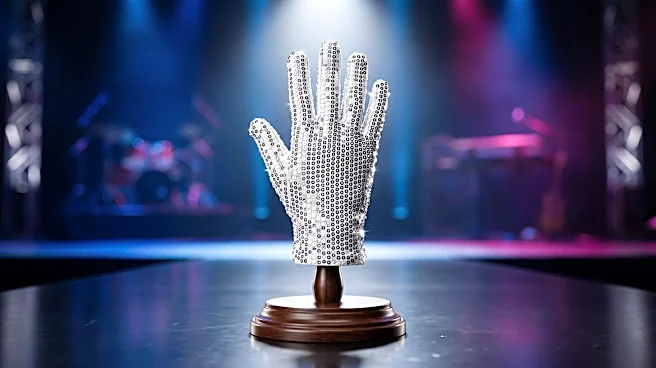
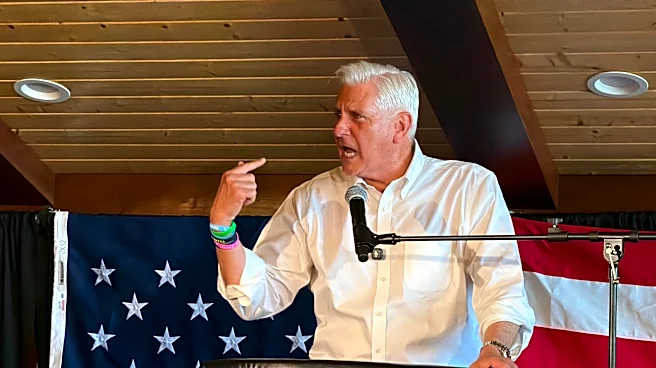
New York Republican Rep. Mike Lawler posted a photo on X of himself dressed as Michael Jackson, captioning it, "It's a little snug, but it still fits! Happy Birthday MJ." This post has revived memories of a 2024 controversy when The New York Times unearthed
an old photo from 2006, showing Lawler in blackface while dressed as Michael Jackson for Halloween during his college years. Blackface, the practice of darkening one's skin to imitate a Black person, is widely considered racist. Lawler, who represents New York's 17th Congressional District, did not dispute the authenticity of the 2006 image, stating at the time that the costume was intended as a "sincerest form of flattery" and a "genuine homage" to his musical hero. He also expressed regret for anyone who took offense, acknowledging the "ugly practice of blackface." His recent post has drawn criticism and comments from users on social media, questioning his judgment and reminding him of the past scandal.
Why It's Important?
This incident is significant as it brings a past racial controversy back into the public eye for a sitting U.S. Congressman, especially as he faces re-election in November. The renewed attention to the blackface incident could impact voter perception and potentially influence the outcome of his competitive race against Democrat Cait Conley, an Army veteran. In an era of heightened awareness regarding racial sensitivity and historical injustices, such controversies can significantly damage a politician's credibility and appeal, particularly among diverse constituencies. The incident also highlights the ongoing societal debate about past actions, personal growth, and accountability for public figures. For Lawler, the challenge will be to manage the fallout from this renewed scrutiny while campaigning, as his past actions are now directly linked to his present political standing and future prospects.
What's Next?
The immediate consequence will likely be continued public discussion and criticism on social media and in local news outlets regarding Rep. Lawler's post and the underlying blackface controversy. His opponent, Cait Conley, may leverage this incident in her campaign, drawing a contrast between their public images and values. Lawler's campaign will need to formulate a response, potentially reiterating his past apologies or attempting to shift focus to policy issues. The incident could also prompt further scrutiny from political commentators and advocacy groups. As the election approaches, the impact of this controversy on voter sentiment, particularly among minority groups and those sensitive to racial issues, will be a key factor to watch in New York's 17th Congressional District. The long-term implications could include a lasting stain on his public record, regardless of the election outcome.
Beyond the Headlines
This event delves into the deeper societal implications of historical practices like blackface and their enduring impact on contemporary politics and culture. It underscores the persistent challenge for public figures to navigate their past actions in a present-day context where cultural norms and sensitivities have evolved significantly. The controversy also highlights the role of social media as a powerful platform for both communication and accountability, where past missteps can be instantly resurrected and amplified. Ethically, it raises questions about the nature of apologies, the sincerity of remorse, and the extent to which past actions should define a person's current character and fitness for public office. The incident serves as a reminder of the ongoing need for education and awareness regarding racial stereotypes and their harmful effects, even as society strives for greater inclusivity and understanding.