






What's Happening?
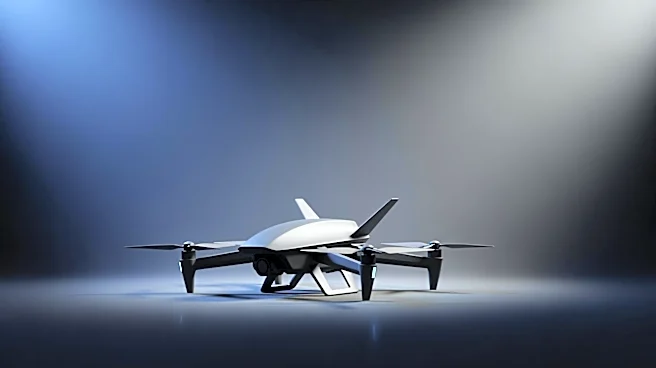
Digital Force Technologies (DFT) and Powerus have announced a strategic partnership aimed at developing an integrated Counter-Unmanned Aerial System (C-UAS) capability. This collaboration combines Powerus' autonomous interceptor drone technology with
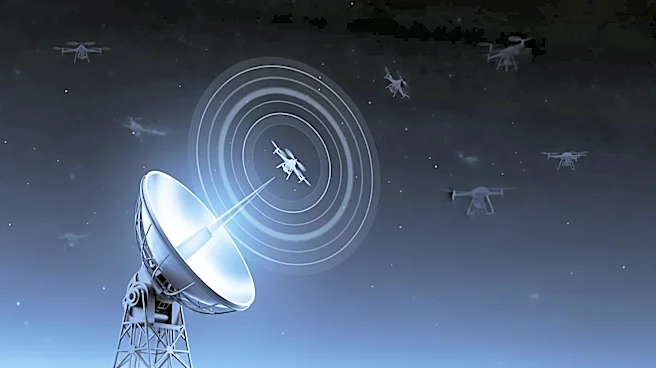
DFT's Seraphim command-and-control platform. The goal is to create a unified system that enhances detection, tracking, and kinetic defeat of drone threats, particularly those classified as Group 1-3. The system is designed to increase response speeds and reduce the cognitive load on operators in contested environments. The initial rollout will focus on a rapidly deployable system for immediate operational use, with future iterations expected to incorporate higher levels of autonomy. This partnership is informed by discussions with military operators and U.S. Department of War stakeholders, highlighting current gaps in counter-drone capabilities.
Why It's Important?
The partnership between DFT and Powerus addresses a critical need in modern warfare: the ability to effectively counter the increasing threat posed by drones. As adversaries continue to evolve their attack strategies using cheap, disposable drones, the U.S. military requires adaptable and efficient countermeasures. This collaboration aims to provide a system that not only matches but surpasses enemy capabilities, ensuring that the U.S. remains ahead in drone warfare. The integration of advanced sensing systems and autonomous interceptors into a single operational framework could significantly enhance the military's ability to respond to and neutralize drone threats, thereby strengthening national defense.
What's Next?
The partnership is set to focus on the development and deployment of the initial system, which will be operationally ready for immediate use. As the technology evolves, future versions will aim to incorporate greater autonomy, improving engagement efficiency and scalability across various mission sets. The ongoing collaboration with military operators and stakeholders will likely continue to inform the development process, ensuring that the system remains responsive to emerging threats. This proactive approach positions the U.S. to maintain a strategic advantage in counter-drone warfare.
Beyond the Headlines
The collaboration between DFT and Powerus not only addresses immediate military needs but also sets a precedent for future defense technology partnerships. By integrating cutting-edge technologies into a cohesive system, this partnership exemplifies how strategic alliances can drive innovation and enhance national security. The focus on modular and scalable solutions reflects a broader trend in defense technology, where adaptability and rapid deployment are becoming increasingly important. This development could influence future defense strategies and procurement processes, emphasizing the need for flexible and responsive systems in modern warfare.